
2026 Roth IRA Contribution Limits
February 18, 2026
Understanding 2026 Roth IRA Contribution Limits
Imagine a retirement where the money you take out is all yours—no tax bill attached. That’s the promise of a Roth IRA (Individual Retirement Arrangement), one of the most powerful tools available for building long-term wealth.
A Roth IRA is a special savings account where you contribute money you’ve already paid income tax on. In return, all of its future growth and every dollar you withdraw in retirement is completely tax-free.
Because this benefit is so valuable, the government sets a yearly cap on how much you can put in. This is called the contribution limit, and knowing the projected number for 2026 is the first step toward building a smarter savings plan. This guide explains 2026 Roth IRA contribution limits, key Roth IRA rules, and how broader Roth IRA limits could affect your plan.
2026 Roth IRA Contribution Limits
For anyone planning their savings, the most important number is the annual contribution limit. While the IRS won’t finalize the official numbers until later, the projected 2026 Roth IRA contribution limit is $7,500. This is the maximum amount of new money you can deposit into your Roth IRA for the entire year; these Roth contribution limits help cap annual deposits and are periodically adjusted for inflation.
For savers nearing retirement, the rules are even better. If you are age 50 or older anytime in 2026, you can take advantage of a “catch-up contribution.” This provision allows you to save an additional $1,000 on top of the standard limit.
Here is the maximum Roth contribution for 2026:
- Under Age 50: $7,500
- Age 50 and Over: $8,500 (which includes the $1,000 catch-up)
This limit is per person, not per household. A married couple, for example, can each contribute up to their individual limit. Knowing how much you can contribute is just the first step; now, let’s look at whether your income makes you eligible.
Roth IRA Income Limits for Single Filers
While the contribution limit tells you how much you can save, your annual income determines if you’re eligible. The government sets income rules to ensure this powerful retirement tool is available to low- and middle-income earners.
These 2026 Roth IRA income limitations are based on your Modified Adjusted Gross Income (MAGI). This is the specific income number the IRS looks at to decide your eligibility for certain tax benefits.
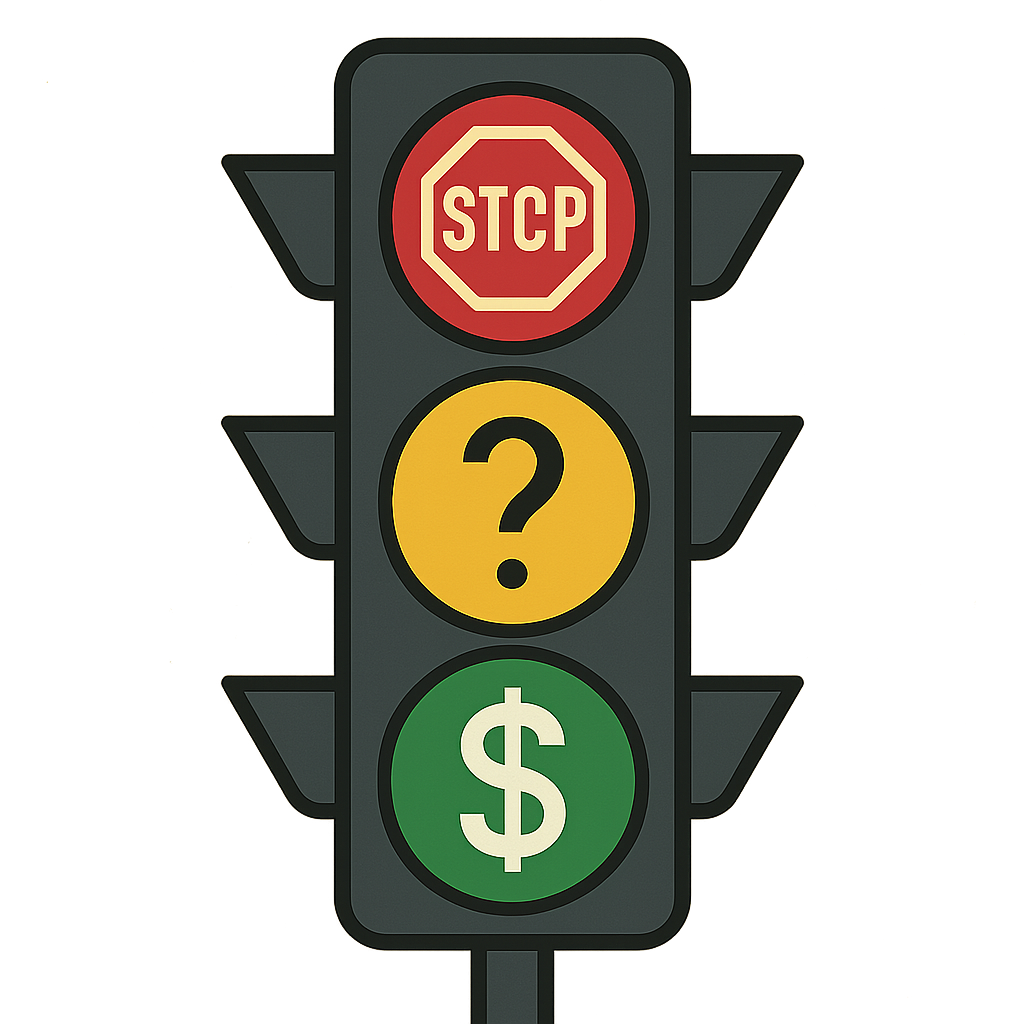
For single tax filers, it’s easiest to imagine this as a traffic light. If your MAGI is below a projected $149,000 for 2026, you get a green light and can contribute the full amount. If you earn between $149,000 and $164,000, you’re in a yellow “phase-out” zone where your maximum contribution is reduced. An income above $164,000 is a red light, meaning you can’t contribute directly.
These income brackets are different for couples. So, what if you’re married? The government sets higher limits for those who file taxes together.
Roth IRA Income Limits for Married Couples
For married couples who file their taxes together, the income rules are more generous. For 2026, if your joint Modified Adjusted Gross Income (MAGI) is below a projected $245,000, you both get the green light to contribute the maximum. The phase-out range—that yellow light where your contribution is reduced—is expected to be between $245,000 and $265,000. This provides a wider runway for couples to take advantage of Roth IRAs.
This brings up a common question: what if one spouse doesn’t work or has very little income? Fortunately, they aren’t left out. Thanks to the spousal Roth IRA contribution rules, a non-working or low-earning spouse can open and fund their own Roth IRA. As long as the working spouse has enough earned income to cover both contributions, you can essentially double your family’s tax-free retirement savings each year, with each person funding their own account up to the annual limit. These considerations are part of broader Roth IRA rules that help families plan more effectively.
Understanding these higher Roth IRA phase-out ranges allows you to plan more effectively as a couple. However, a surprise bonus or salary increase could push your income higher than expected, potentially causing you to contribute more than you’re allowed. So, what happens if you make a mistake?
Made a Mistake? How to Easily Fix an Over-Contribution
Realizing you’ve put too much into your Roth IRA can be stressful, but it is a common and fixable situation. If you over-contribute to a Roth IRA, the IRS applies a 6% penalty tax on the excess amount for every year the extra money stays in the account. This provides a powerful incentive to correct the mistake quickly.
To correct the error, you simply need to withdraw the extra money you contributed. Your financial institution will also calculate and remove any investment earnings that specific portion of money generated while it was in your account, as that growth must come out, too.
To avoid the penalty completely, contact your brokerage firm before the year’s tax filing deadline (usually mid-April) and ask them to process a “return of excess contribution.” This simple step is why it’s wise to double-check your income against the limits before tax season ends, ensuring all your contributions are eligible.
Your 2026 Roth IRA Action Plan
You are now equipped with the key numbers for 2026 and what they mean for your financial plan. You can confidently see the projected $7,500 contribution limit (or $8,500 if you’re 50 or over) not as an intimidating rule, but as a clear target for your retirement savings.
Knowing the limit is one thing; building a nest egg is another. You don’t need to be a financial expert or contribute the maximum to succeed. The most powerful step is learning how to start a Roth IRA and making your first deposit. Here’s how to turn your knowledge into action:
Your 2026 Action Plan:
- 1. Check Your Eligibility: Estimate your 2026 income to see if you’re in the ‘Green Light’ zone.
- 2. Pick Your Amount: Decide how much you can realistically save per month. Every dollar helps!
- 3. Make It Automatic: Log in to your brokerage and set up a recurring monthly transfer to your Roth IRA.
Automating even a small contribution is the secret to building momentum and a secure, tax-free future.
Want to make sure your 2026 Roth IRA strategy is dialed in?
Schedule a free, no-obligation consultation, and we’ll help you confirm eligibility based on income, choose a realistic monthly contribution amount, and set up an automated plan—so you can build tax-free retirement savings with confidence.