
Avoid Common Mistakes: How to Save for Retirement
January 7, 2026
How to Save for Retirement: Common Mistakes to Avoid
Saving for retirement is one of the most crucial financial goals you’ll set. Yet, many individuals, from young professionals to seasoned business owners and retirees, often stumble upon common mistakes that can derail their retirement plans. Understanding these pitfalls is central to learning how to save for retirement and can help you navigate your journey toward a secure and comfortable retirement.
The Power of Starting Early
One of the most prevalent mistakes is delaying the start of your retirement savings. The earlier you start saving, the more time your money has to grow through the power of compounding interest. Compounding allows your earnings to generate even more earnings over time, creating a snowball effect that can significantly boost your retirement funds. For young professionals, every year counts. Starting early can mean the difference between a modest nest egg and a robust financial foundation for retirement.
The Cost of Waiting
If you wait, you may miss out on potentially significant growth. Delaying savings by even a few years can drastically affect the total amount you accumulate by retirement. Consider this: saving $200 a month starting at age 25 can lead to over $500,000 by retirement age, assuming a moderate annual return. If you start at 35, you’d need to save almost double that amount monthly to reach the same goal. The cost of procrastination is not just about the missed contributions but also the lost compounding growth.
Automating Your Savings
To remedy this, consider setting up an automatic contribution to a retirement account, like a 401(k) or IRA, as soon as you start earning. Automation ensures consistency and makes saving a seamless part of your financial routine. Even small amounts can add up over time, providing you with a solid financial foundation for your retirement. By automating savings, you eliminate the temptation to skip contributions for immediate expenses or desires.
Mistake #2: Not Having a Clear Plan
The Importance of Defined Goals
Having a retirement savings plan is essential, but many people fail to set clear goals. Without a plan, it’s challenging to determine how much you need to save and how to allocate your investments. Defined goals provide direction and purpose to your savings efforts, ensuring that each dollar saved is a step toward a future objective. Whether it’s traveling the world or simply living comfortably, clear goals help shape your saving and investment strategies.
Establish Your 2026 Retirement Goals
Start by setting clear retirement goals. Do you want to retire early, or are you aiming for a specific lifestyle post-retirement? Establishing these goals will help guide your savings strategy. A financial advisor for early retirement can provide personalized advice to align your savings with your future needs. They can help you quantify your goals, assess your current financial standing, and chart a path that bridges the gap between where you are and where you want to be.
Creating a Roadmap
Once your goals are established, it’s crucial to create a roadmap that outlines how to achieve them. This involves determining the amount you need to save, selecting appropriate investment vehicles, and setting milestones to track your progress. Regularly revisiting and adjusting your plan ensures you remain aligned with your goals as your life circumstances change.
Mistake #3: Ignoring Inflation
Understanding Inflation’s Impact
Inflation is a silent killer of purchasing power and can significantly impact your retirement savings. Many people underestimate how inflation affects their long-term savings, leading to a shortfall in retirement funds. Over time, inflation erodes the value of money, meaning that what seems like a sufficient amount today may fall short in the future. Understanding this impact is crucial for making informed decisions about your retirement planning.
Investment Strategies to Combat Inflation
To combat inflation, consider investments that historically outpace inflation, such as stocks or real estate. Stocks, in particular, have shown the potential for higher returns over the long term, making them a viable option for battling inflation. Real estate can also provide income and appreciate over time, offering a hedge against inflation. These investments can help preserve and grow your purchasing power, ensuring your savings maintain their value.
The Role of Diversification
Diversifying your portfolio can also help mitigate risks associated with inflation. A well-diversified portfolio includes a mix of asset classes, such as equities, fixed income, and real estate, which can offer protection against market volatility and inflationary pressures. Diversification spreads risk and can enhance returns, making it a critical component of a robust retirement strategy.
Mistake #4: Overlooking Employer Contributions
Understanding Employer Contributions
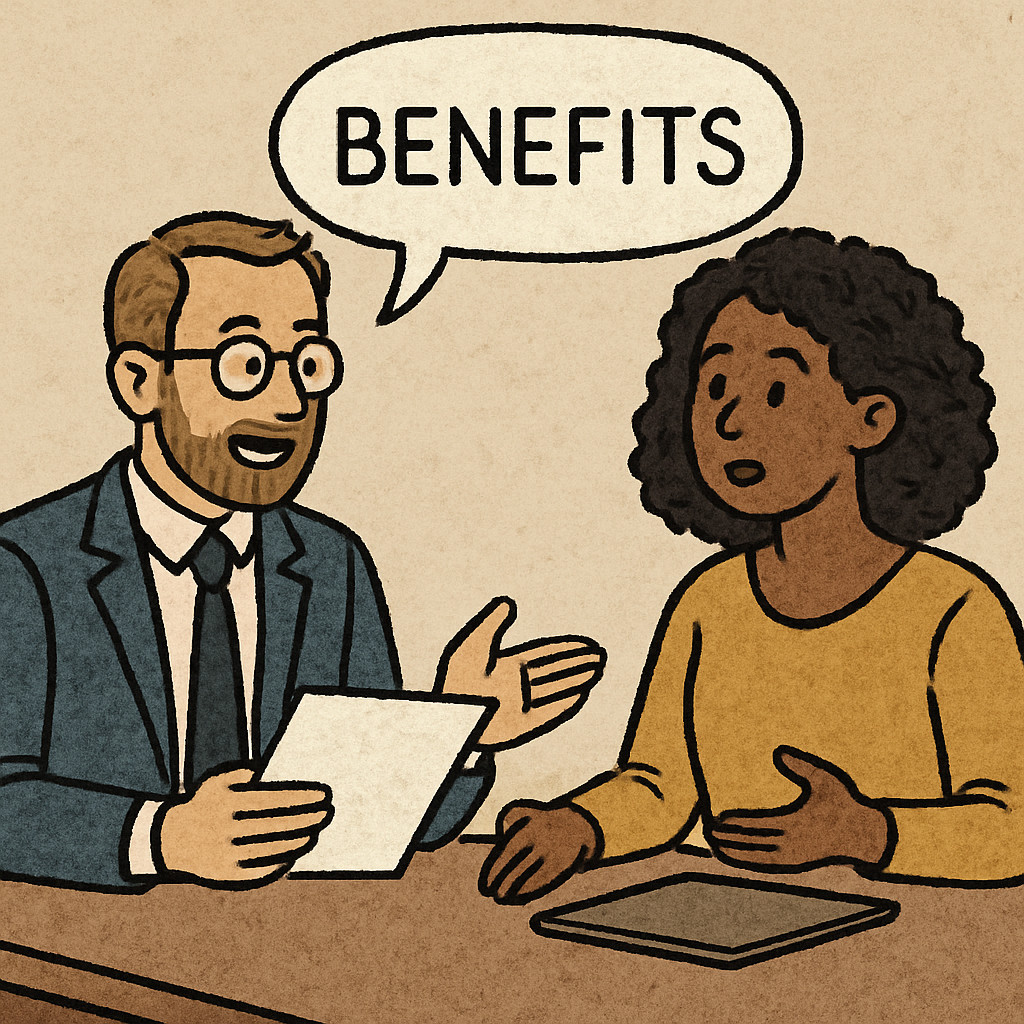
If your employer offers a retirement plan with matching contributions, not taking full advantage of this benefit is a missed opportunity. Employer matches are essentially free money that can significantly boost your retirement savings. Understanding how these contributions work and their potential impact on your savings is vital for maximizing your retirement benefits.
Maximizing Your Employer Match
Ensure you contribute enough to your retirement plan to receive the full employer match. This simple step can enhance your savings without additional financial strain. For instance, if your employer matches 50% of your contributions up to 6% of your salary, contributing at least 6% ensures you receive the full match. This can dramatically increase your retirement savings over time.
Long-Term Benefits of Employer Matches
The long-term benefits of employer matches extend beyond immediate savings boosts. These contributions grow over time through compounding, potentially adding thousands to your retirement fund. By maximizing employer contributions early in your career, you can significantly increase your retirement readiness and financial security.
Mistake #5: Withdrawing Retirement Funds Early
Consequences of Early Withdrawals
Withdrawing from your retirement savings prematurely can result in penalties and diminish your future nest egg. Early withdrawals also mean missing out on potential growth from compounded interest. Understanding these consequences can deter impulsive decisions and encourage you to seek alternative solutions in financial emergencies.
Exploring Alternatives
It’s crucial to keep your retirement savings intact unless it’s an absolute emergency. If you’re facing financial difficulties, consider other options before tapping into your retirement funds. Options such as personal loans, side gigs, or adjusting your budget can help you navigate temporary financial setbacks without jeopardizing your retirement savings.
Planning for Emergencies
Building an emergency fund is a proactive way to avoid early withdrawals. Having three to six months’ worth of expenses saved can provide a financial cushion, allowing you to handle unexpected costs without disturbing your retirement savings. Planning for emergencies helps maintain the integrity of your long-term financial goals.
Mistake #6: Not Reviewing Your Plan Regularly
The Importance of Regular Reviews
Retirement planning isn’t a one-time task. Failing to review and adjust your retirement plan periodically can leave you unprepared for changes in the market or your personal financial situation. Regular reviews ensure that your strategy remains relevant and aligned with your evolving goals and circumstances. Consider an annual retirement planning financial review to keep your strategy current and comprehensive.
Schedule Regular Check-Ins with a Financial Advisor
Regular check-ins with a financial advisor can help ensure your retirement plan remains on track. They can provide insights on market trends, suggest adjustments, and help you stay aligned with your retirement goals. These check-ins can also offer peace of mind, knowing that your plan is adaptable to life’s uncertainties.
Adapting to Life Changes
Life is unpredictable, and your financial plan should be flexible enough to accommodate changes. Whether it’s a career change, a new family member, or an unexpected expense, adapting your plan to these changes can prevent setbacks and keep your retirement goals within reach. Regularly revisiting your plan with an advisor ensures you’re prepared for whatever life throws your way.
Mistake #7: Underestimating Healthcare Costs
The Reality of Healthcare Expenses
Healthcare is one of the most significant expenses retirees face, yet it’s often underestimated. Without proper planning, these costs can quickly deplete your savings. Understanding the potential impact of healthcare expenses on your retirement savings is crucial for creating a comprehensive financial plan.
Planning for Healthcare in Retirement
Consider healthcare costs when planning your retirement budget. Explore options like Health Savings Accounts (HSAs) or long-term care insurance to prepare for potential medical expenses. HSAs offer tax advantages and can be a valuable tool for covering healthcare costs in retirement. Long-term care insurance provides coverage for services not typically covered by health insurance, protecting your savings from unforeseen expenses.
Incorporating Healthcare into Your Budget
Incorporating healthcare expenses into your retirement budget ensures you’re prepared for these inevitable costs. Estimating your future healthcare needs and costs can help you allocate funds appropriately, ensuring you maintain financial stability throughout retirement. Regularly reviewing and adjusting your budget as your health needs evolve can also safeguard your financial well-being.
Mistake #8: Over-Reliance on Social Security

by Sasha Matveeva (https://unsplash.com/@sashamatveeva)
Understanding Social Security’s Role
While Social Security can be a crucial component of retirement income, relying too heavily on it can lead to financial instability. Social Security benefits are designed to supplement retirement savings, not replace them. Understanding its role and limitations is essential for creating a balanced and reliable income strategy.
Diversifying Income Sources
Ensure you have additional income sources, such as pensions, investments, or part-time work, to support your retirement lifestyle. Diversifying income sources reduces reliance on any single stream and provides a safety net against potential shortfalls. This diversification can enhance your financial security and flexibility in retirement.
Maximizing Social Security Benefits
To maximize your Social Security benefits, consider strategies such as delaying benefits to increase your monthly payments. Understanding how your benefits are calculated and the factors that affect them can help you make informed decisions about when to start collecting. Strategic planning around Social Security can optimize your overall retirement income.
Mistake #9: Failing to Diversify Investments
The Risks of Non-Diversification
Relying on a single investment type increases risk and can jeopardize your retirement savings. Diversification is key to minimizing risk and maximizing potential returns. Understanding the risks of non-diversification can motivate you to explore a broader range of investment opportunities.
Diversify Your Portfolio
Consider a mix of stocks, bonds, mutual funds, and other investment vehicles. A diversified portfolio can help protect your savings from market volatility. Diversification involves spreading investments across various asset classes to reduce exposure to any one type of risk. This strategy can enhance returns and provide a more stable financial foundation.
The Benefits of a Balanced Approach
A balanced investment approach offers several benefits, including reduced risk, increased potential for returns, and greater financial stability. By incorporating a variety of assets into your portfolio, you can take advantage of different market conditions and opportunities. This balanced approach is essential for building a resilient retirement fund that can withstand economic fluctuations.
Mistake #10: Not Seeking Professional Guidance
The Complexity of Retirement Planning
Navigating retirement planning can be complex, and doing it alone might lead to costly mistakes. A financial advisor can provide valuable insights and strategies tailored to your specific needs and goals. Understanding the complexity of retirement planning underscores the importance of seeking professional guidance.
Why Consult a Financial Advisor?
A financial advisor can help you create a personalized retirement plan, manage investments, and adjust your strategy as your goals evolve. They can offer reassurance and guidance, ensuring you remain on track toward a secure retirement. Advisors bring expertise and experience that can help you navigate financial challenges and optimize your retirement strategy.
Selecting the Right Advisor
Choosing the right financial advisor is crucial for achieving your retirement goals. Look for advisors with credentials, experience, and a clear understanding of your financial needs and objectives. Building a relationship with a trusted advisor can provide ongoing support and peace of mind throughout your retirement journey.
Takeaways
Avoiding these common retirement savings mistakes can set you on the path to financial security. Start saving early, have a clear plan, and regularly review your strategy. Consider inflation, healthcare costs, and employer contributions, and don’t shy away from seeking professional advice. These steps clarify how to save for retirement across different stages of life.
With proactive planning and informed decisions, you can achieve your retirement goals and enjoy a comfortable, worry-free retirement. Remember, the sooner you start, the better prepared you’ll be for whatever the future holds. Embracing a comprehensive approach to retirement planning ensures you’re ready to face life’s uncertainties with confidence and financial stability.
Ready to turn these takeaways into a clear plan?
Schedule a free, no-obligation consultation with our team. We’ll review where you are today, identify potential gaps, and outline practical next steps to help you stay on track for the retirement you want.