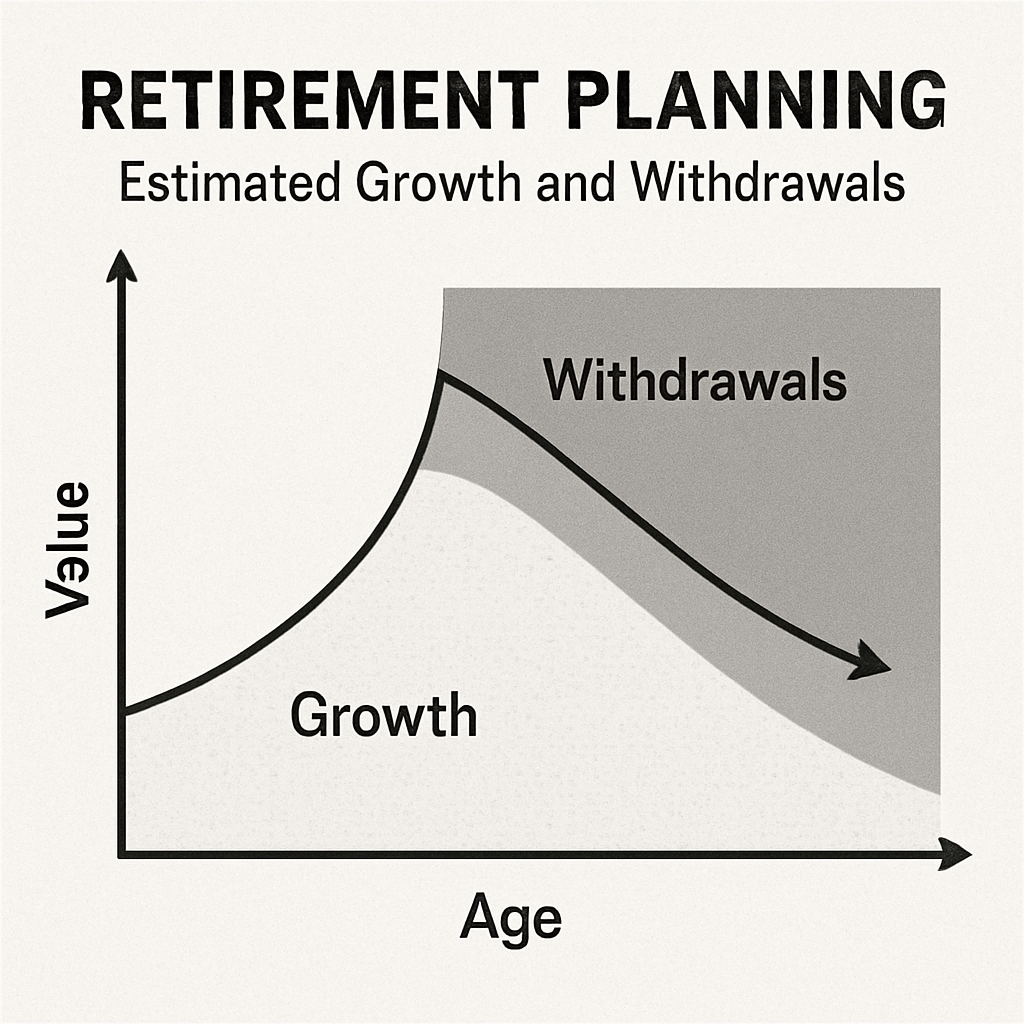
Estimate Retirement Savings: Plan for a Secure Future
April 6, 2026
How Much Will You Have When You Retire? Easy Estimates
Planning for retirement can feel overwhelming. Many wonder, “How much will I have when I retire?” This question is crucial for financial security. How Much Will You Have When You Retire? Simple Ways to Estimate. It is the focus of this guide, presented with clear steps to support your retirement planning.
Understanding your future savings is key to a comfortable retirement. Estimating your retirement savings helps you set realistic goals and make informed decisions.
There are simple ways to estimate your retirement savings. These methods can guide you in planning effectively for your golden years.
In this guide, we’ll explore easy strategies to estimate your retirement savings. You’ll learn how to plan for a secure and fulfilling retirement.
Why Estimating Your Retirement Savings Matters
Estimating how much you’ll have when you retire is critical. It offers clarity on your future financial standing. Knowing your savings can help relieve anxiety and prepare you for retirement.
When you estimate your savings, you can set clear retirement goals. This helps prioritize current financial decisions and future planning. It’s easier to save when you understand what’s needed.
Here are a few reasons why estimating your retirement savings is important:
- Helps create a realistic retirement timeline
- Guides in making strategic investment decisions
- Prepares you for unforeseen expenses in retirement
Overall, estimation forms the basis of sound retirement planning and retirement financial planning. It boosts confidence in your financial future and empowers informed choices.
Key Factors That Influence Your Retirement Savings
Several factors play a crucial role in determining the size of your retirement savings. Understanding these can aid in effective planning for the future.
One key factor is the age at which you start saving. Earlier savings lead to more time for growth due to compound interest. Delaying can significantly reduce the potential nest egg.
Your investment choices also impact your savings. Diversified portfolios can provide stability and higher returns over time. Balancing risk and return is essential for growth.
Moreover, lifestyle choices and spending habits influence savings. Living modestly allows for greater contributions toward retirement.
Here are some factors to consider:
- Start age for savings
- Investment strategies
- Lifestyle and spending habits
By managing these factors, you can improve your overall retirement outlook. Make well-informed decisions to optimize your savings potential. Prioritize your financial well-being today for a secure tomorrow.
Simple Methods to Estimate Your Retirement Savings
Estimating your retirement savings might seem daunting. However, several straightforward methods can provide clarity. By using these techniques, you can plan with more confidence.
The “Rule of 72” is a popular method to estimate investment growth. Divide 72 by your expected rate of return. The result is the number of years it takes for your investments to double.
The 4% rule helps gauge how much to withdraw annually during retirement. It suggests withdrawing 4% of your savings each year. This offers a guideline for how long your funds might last.
Creating a retirement budget can also assist in estimating savings needs. List expected expenses like housing, utilities, and travel. This helps determine how much money to set aside.
Consider these methods to improve your estimates:
- Rule of 72 for growth
- 4% withdrawal rule
- Detailed retirement budget
These methods provide a simple foundation for your retirement planning. Review your strategies regularly to ensure alignment with your goals. Taking these steps ensures a clearer financial path to retirement.
Using Online Retirement Calculators
Online calculators provide valuable insights into your retirement savings. These tools can simplify complex calculations and projections. Many calculators are free and accessible to everyone. Try a simple retirement calculator from a trusted source to get quick estimates. If you’ve ever asked yourself, “How much will I have when I retire?” these tools can provide a fast, personalized snapshot.
Start by entering your current savings and retirement age. Then, input expected contributions and investment returns. Calculators will project your future savings.
Here’s how to maximize their use:
- Update data annually
- Test different scenarios
- Adjust for inflation impacts
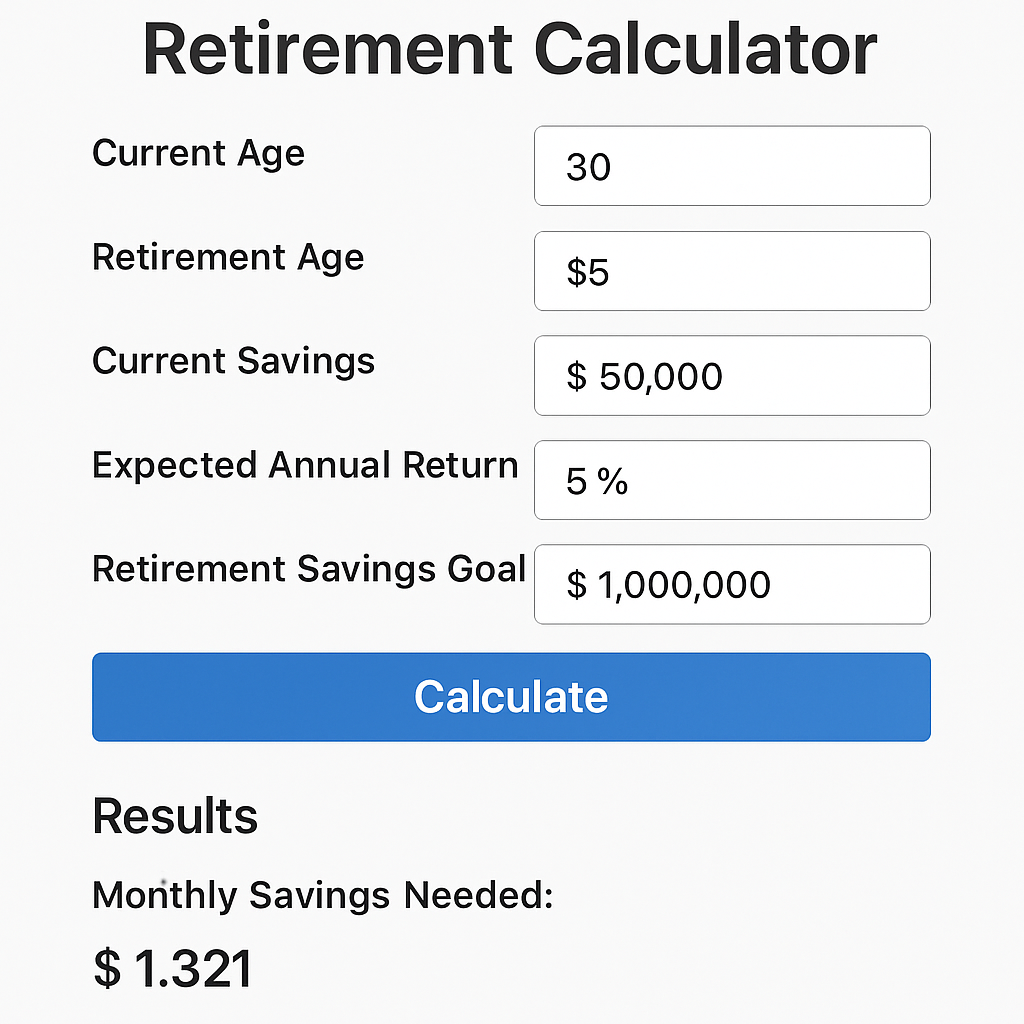
These calculators assist in refining retirement goals. They reveal potential savings gaps and help in forming a comprehensive plan. Using them regularly enhances your understanding of your financial progress.
The Impact of Inflation, Taxes, and Healthcare Costs
Retirement savings must account for inflation, which reduces purchasing power. Over time, even moderate inflation can erode the value of your nest egg. Planning for inflation is essential to maintain your lifestyle.
Taxes also affect retirement funds. They vary based on withdrawal amounts and sources. Consider strategies like Roth accounts for potentially tax-free withdrawals. Consult a tax advisor for personalized advice.
Healthcare costs are often underestimated. As you age, medical expenses typically rise. Include these in your retirement budgeting to avoid financial strain. Key considerations:
- Estimate annual healthcare costs
- Explore supplemental insurance options
- Plan for potential long-term care
Taking these factors into account ensures a more accurate retirement savings estimate.
Setting Realistic Retirement Goals
Establishing achievable goals is crucial for retirement planning. Begin by assessing your expected lifestyle and desired activities post-retirement. Consider not just your needs, but your wants.
To ensure your goals are practical, review your current financial situation. Compare it against your retirement aspirations. Determine if adjustments are needed to align them.
Break down your goals into specific, manageable steps. This makes them less daunting and more attainable. Key steps might include:
- Calculating expected monthly expenses
- Estimating travel or leisure costs
- Planning for unexpected expenses
Setting clear, realistic goals provides a roadmap. It guides your financial decisions and helps secure your future.
Tips to Grow and Protect Your Retirement Savings
Growing and safeguarding your retirement savings is vital. Begin by diversifying your investment portfolio. This minimizes risks and maximizes potential returns.
Keep a close eye on investment performance. Regularly evaluate your portfolio’s growth and make adjustments when necessary. This ensures your funds are working hard for you.
Additionally, consider these strategies to boost and protect your savings:
- Take advantage of employer-sponsored retirement plans
- Maximize contributions to IRAs
- Utilize catch-up contributions if you’re over 50
Focusing on these strategies can significantly enhance your retirement savings. They help to ensure a secure and prosperous retirement. Prioritize growth and protection to enjoy peace of mind.
Reviewing and Adjusting Your Retirement Plan
Consistent review of your retirement plan is crucial. Circumstances change, and your plan should reflect that. Regular adjustments ensure you’re on track to meet your goals.
Life events and financial changes can impact your retirement savings. Update your strategy as needed to accommodate these shifts. Staying proactive will help maintain your financial confidence and security as you approach retirement.
Take Charge of Your Retirement Planning
Taking control of your retirement planning now will ensure a comfortable future. Begin today by setting clear, realistic goals and regularly reviewing your plan as part of your broader retirement financial planning.
Remember, flexibility is key. As life evolves, so should your retirement strategies. Stay informed and proactive to secure the retirement you’ve envisioned.
Want a clearer estimate of what you could have by retirement, and how to improve it?
Schedule a free, no-obligation consultation, and we’ll help you review your current savings path, identify realistic levers to pull, and map out next steps to get closer to your goal.