Maximize Old 401k Accounts: Avoid Mistakes & Optimize
January 14, 2026
Common Mistakes with Old 401(k) Accounts

Old 401k accounts can often be overlooked, but they play a vital role in your overall retirement strategy. Many people leave their 401k plans with former employers, leading to potential mismanagement or loss over time. Here’s why it’s important to manage these accounts:
- Consolidation Opportunities: Combining old 401k accounts into a single plan can simplify management and reduce fees. Consolidation gives you a better look at your retirement savings. This makes it simpler to track your progress and decide wisely. A single account can make it easier to change your investment plans as your financial goals change.
- Investment Choices: Different plans offer varying investment options, impacting your long-term growth potential. Taking care of your old accounts helps ensure your investments align with your current financial goals and your comfort level with risk. This active approach helps you take advantage of funds that are doing well. It also lets you change your asset allocation when needed to maximize growth.
- Fee Management: Understanding and minimizing fees associated with old accounts can improve your net returns. Unnecessary fees can erode your savings over time, so it’s crucial to assess each account’s fee structure. By finding and removing expensive fees, you can increase your retirement savings and make sure more of your money is working for you.
Common Mistakes with Old 401 (k) Accounts
Neglecting to Track Down Old Accounts
One of the most frequent mistakes is simply losing track of old 401k accounts. This often happens when changing jobs or moving residences. Here’s how you can avoid this issue:
- Keep Records: Maintain a list of all past employers and associated 401k plans. Regularly updating this list can prevent accounts
- from slipping through the cracks and help you stay organized as you move through your career. Also, think about saving this information in a safe digital format for easy access.
- Use Resources: Utilize online tools and databases like the National Registry of Unclaimed Retirement Benefits to locate missing accounts. These resources can help you uncover forgotten funds and ensure they’re integrated into your financial plan. Engaging with online communities and forums can also provide useful tips and guidance from others who have successfully located old accounts.
Failing to Consolidate Accounts
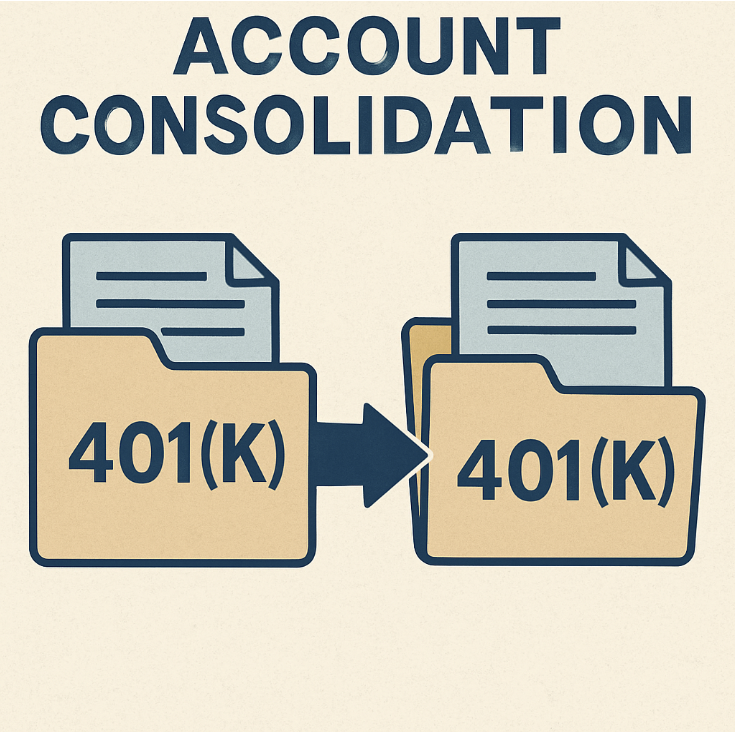
Having multiple 401k accounts scattered across different employers can be cumbersome. Consolidating these accounts can provide several benefits:
- Simplified Management: With fewer accounts to manage, you can more easily track your investments. This simplicity can reduce the risk of errors and help you stay on top of your financial situation. Consolidating accounts also makes it easier to implement changes and updates to your investment strategies.
- Cost Efficiency: Having fewer accounts can reduce management fees, which can increase your savings. Consolidation can also provide access to better investment options and more competitive pricing, potentially boosting your returns. Sometimes, merging your accounts can help you get extra benefits or services from your bank.
Ignoring Investment Performance
It’s easy to set and forget your investments, especially with old 401k accounts. However, staying informed about your investment performance is crucial:
- Regular Reviews: Regularly check your account statements to see how your investments are doing. Doing so allows you to identify underperforming assets and make necessary adjustments to maximize returns. Consider setting a schedule for these reviews, such as quarterly or biannually, to ensure consistency.
- Adjusting Strategies: If certain investments aren’t meeting your expectations, consider redistributing your assets to better-performing funds. This active approach can help you take advantage of market chances and adjust your portfolio to fit changing economic situations. Talking to a financial advisor can give you useful ideas on changes you might make and how they could affect your overall plan.
Overlooking Beneficiary Designations
Life changes such as marriage, divorce, or the birth of a child may necessitate updates to your beneficiary designations. Failing to do so can lead to unintended consequences:
- Review Regularly: Check your beneficiary designations annually or after major life events. This makes sure your retirement savings go where you want them to. It can also help avoid conflicts between family members. Keeping your designations up-to-date can also provide peace of mind, knowing your loved ones are protected.
- Ensure Accuracy: Confirm that your designations reflect your current wishes and are legally binding. Mistakes or outdated information can complicate the distribution process, potentially delaying access to funds. Regularly consulting with a legal professional can ensure your beneficiary designations remain valid and enforceable.
How to Find Old 401k Accounts
Steps to Locate Missing Accounts
Finding old 401k accounts can seem like a daunting task, but it’s manageable with a systematic approach:
- Contact Former Employers: Reach out to the HR departments of previous employers to inquire about old 401k plans. They can provide crucial information about your account status and any steps needed to access your funds. Getting to know HR representatives can help with future questions or managing your account.
- Check Financial Statements: Review past financial statements or tax returns for any clues about forgotten accounts. This process can reveal important details, such as account numbers or balances, that can aid in your search. Keeping thorough records of these documents can streamline the process and reduce the time spent locating old accounts.
- Use Online Tools: Take advantage of online services that help you find unclaimed retirement benefits. These platforms can connect you with valuable resources and guide the steps needed to recover your funds. Engaging with online communities dedicated to financial management can also offer support and insights from others with similar experiences.
Engaging a Financial Advisor
If tracking down old 401k accounts feels overwhelming, consider engaging a financial advisor:
- Expert Guidance: Financial advisors have experience in locating and managing retirement accounts. They can navigate complex situations and provide tailored advice to help you recover lost funds. Their expertise can also offer peace of mind, knowing you have a knowledgeable partner in your financial journey.
- Tailored Strategies: They can offer personalized advice to consolidate and optimize your retirement savings. This includes developing a comprehensive plan that aligns with your unique goals and risk tolerance. A financial advisor can help you find ways to save on taxes and discover other benefits. This support can improve your overall financial well-being.
Making the Most of Your 401k Accounts
Optimizing Investment Strategies
With your 401k accounts consolidated and tracked, focus on optimizing your investment strategies:
- Diversification: Ensure your portfolio is diversified across different asset classes to mitigate risk. A diverse investment portfolio can help guard against market ups and downs and increase possible gains. Regularly reviewing your asset allocation can ensure it remains aligned with your financial goals and risk tolerance.
- Risk Tolerance: Align your investment choices with your risk tolerance and retirement goals. Understanding your risk profile can guide your investment decisions and help you maintain a balanced approach. Regularly checking your risk tolerance can help make sure your strategy adjusts to changes in your finances or the market.
Planning for the Future
Proper management of your 401k accounts is key to a secure financial future. Consider the following:
- Regular Contributions: Continue contributing to your 401k plans to maximize tax-advantaged growth. Consistent contributions can compound over time, significantly enhancing your retirement savings. Setting up automatic contributions can help ensure you stay on track with your savings goals.
- Long-Term Planning: Collaborate with a financial advisor to create a detailed retirement plan that suits your personal needs. This plan should include your investment strategy and also think about your expected costs, possible healthcare expenses, and the lifestyle you want during retirement. Regularly revisiting and updating your plan can ensure it remains relevant and effective as you approach retirement.
Bottom Line
Managing old 401k accounts is an essential part of securing your financial future, whether you’re just starting in your career or enjoying retirement. By avoiding common mistakes, staying informed, and seeking professional advice when needed, you can ensure your retirement savings work for you.
Remember, the effort you put into managing your 401k accounts today will pay dividends in the years to come. Taking control of your retirement savings now can give you peace of mind and security. It allows you to enjoy the lifestyle you want in your retirement years.
Not sure what to do with an old 401(k)?
Schedule a free, no-obligation consultation, and we’ll help you review your old accounts, identify potential fees or missed opportunities, and outline the smartest next step—whether that means consolidating, adjusting investments, or simply getting everything organized in one place.