
Rolling Over 401k: Simplifying Retirement Choices
January 28, 2026
Choosing the Right Destination for 401k
Before diving into the specifics, it’s important to understand what a 401k is. Essentially, it’s a retirement savings plan sponsored by an employer, allowing employees to save and invest a portion of their paycheck before taxes are taken out. This tax-deferred status can significantly enhance your savings over time, as the money grows without being subjected to annual taxes. This can be a powerful tool for building a retirement nest egg, but it requires careful planning and management. Without a strategic plan, you might miss out on maximizing your potential returns or incur unnecessary fees that can erode your savings over time. Additionally, understanding the intricacies of employer matching contributions and vesting schedules can further optimize your 401k strategy.
Finding Old 401k Plans
One of the first steps in managing your 401k is to track down any old accounts you may have from previous employers. It’s common for individuals to lose track of these accounts, especially if they’ve changed jobs multiple times. Over time, the accumulation of multiple accounts can become difficult to manage, leading to missed opportunities for growth or forgotten funds. Here’s how you can locate them:
- Contact Former Employers: Reach out to the human resources department of your previous employers to inquire about any 401k accounts you may have left behind. Having a direct conversation can often yield more information than automated systems, providing insights into forgotten accounts or changes in plan administrators.
- Check Old Statements: Dig through your records for any old 401k statements that might contain account details. These documents can provide account numbers and contact information for the plan administrators, serving as a roadmap to reclaim your funds.
- Use Online Tools: There are websites and services designed to help you find lost 401k plans using your Social Security number and other personal information. These platforms can cross-reference public and private records to locate your accounts, offering a convenient solution for those overwhelmed by paperwork.
Consolidating Retirement Accounts
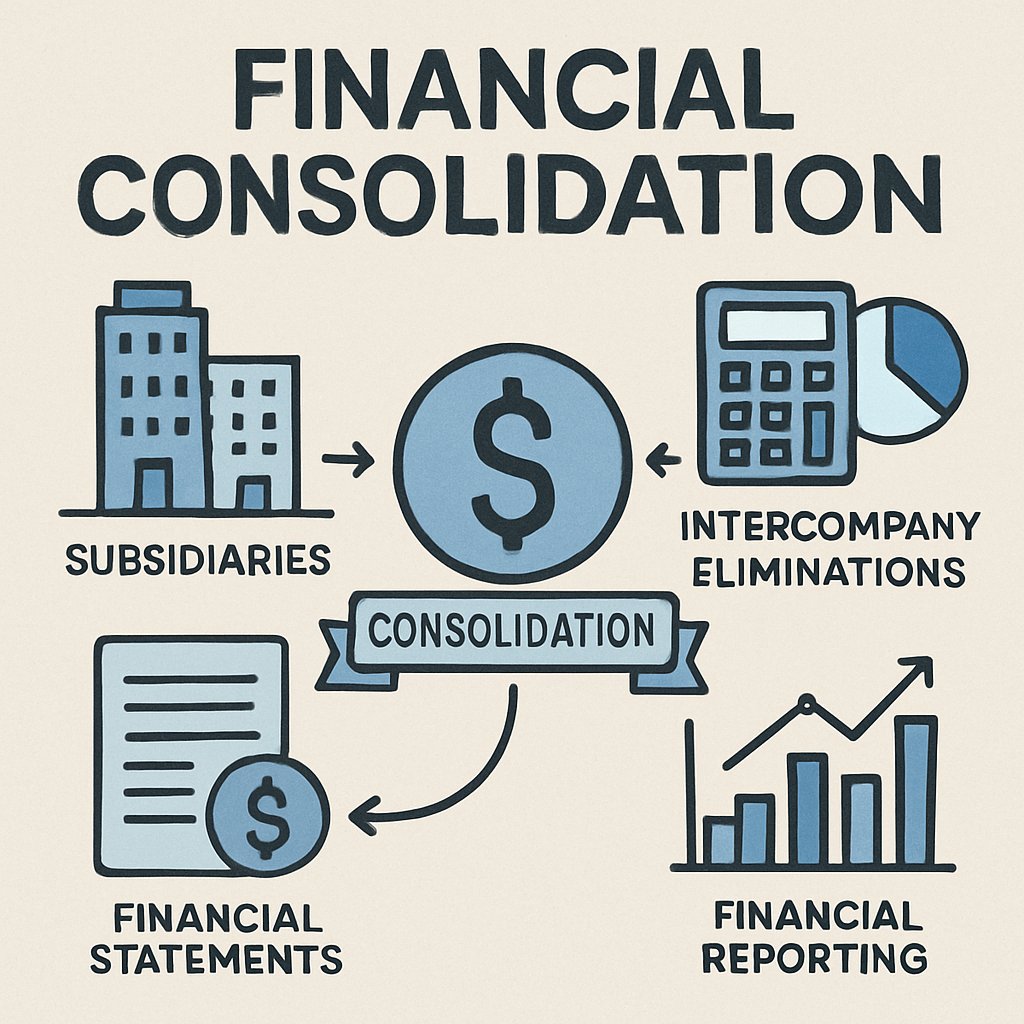
Once you’ve identified all your 401k accounts, consider consolidating them into a single account. This can simplify management and potentially reduce fees. Consolidation helps streamline your financial life, reducing the mental load of managing multiple accounts with different rules and investment options. Here’s why consolidation might be a good idea:
- Easier Management: Having all your retirement funds in one place makes it easier to track your savings and investment performance. This centralization can help you make more informed decisions, as you’ll have a clearer picture of your overall financial health.
- Lower Fees: Some accounts may charge high management fees. By consolidating, you might be able to reduce these costs. Lower fees mean more of your money stays invested, increasing your potential for growth over time.
- Streamlined Strategy: A single account allows for a more cohesive investment strategy, aligning with your retirement goals. With a consolidated account, you can develop a unified investment approach that matches your risk tolerance and time horizon.
To consolidate, you can roll over your old 401k accounts into your current employer’s plan or an individual retirement account (IRA). This decision should be based on an analysis of the benefits and drawbacks of each option, considering factors like investment choices and administrative costs.
Rolling Over Your 401k
Rolling over your 401k is a common step in taking control of your retirement savings. This process involves moving your funds from one account to another, typically to an IRA. A rollover can provide more investment options and potentially lower fees, but it must be done carefully to avoid tax penalties. Here’s how you can do it:
Direct Rollover
A direct rollover is the simplest way to move your funds. Here’s how it works:
- Contact Your Plan Administrator: Request a direct rollover to an IRA or another 401k plan. This ensures the funds move directly between accounts without you handling them, eliminating the risk of accidental taxation.
- Complete the Paperwork: Fill out the necessary forms to initiate the transfer. Ensure all details are accurate to prevent delays or complications in the process.
- Choose Your Investments: Once the funds are in your new account, decide how you want to invest them. Consider your risk tolerance, investment timeline, and retirement goals when selecting your portfolio.
Indirect Rollover
An indirect rollover involves receiving a check for your 401k funds and depositing it into a new account yourself. However, this method comes with potential tax implications and penalties if not handled correctly. Here’s what to keep in mind:
- 60-Day Rule: You must deposit the funds into a new account within 60 days to avoid taxes and penalties. Failing to meet this deadline could result in the distribution being treated as income, subject to taxes and possible early withdrawal penalties.
- Withholding Taxes: The original plan may withhold 20% of the distribution for taxes, which you’ll need to make up from other sources when you deposit the funds into the new account. This requires careful financial planning to ensure you can cover the shortfall without incurring additional costs.
Choosing the Right Destination
by Kenny Eliason (https://unsplash.com/@heyquilia)
When selecting where to move your 401k, consider factors such as fees, investment options, and your long-term financial goals. The right choice can significantly impact your retirement savings’ growth and security. Here are some options:
Current Employer’s 401k Plan
- Pros: Simplicity and potentially lower fees if the plan is well-managed. Employer-sponsored plans often have negotiated fee structures that can be more favorable than individual accounts.
- Cons: Limited investment options compared to an IRA. Some plans offer a narrow range of funds, which might not align with your desired investment strategy.
Individual Retirement Account (IRA)
- Pros: Greater flexibility with investment choices and potentially lower costs. IRAs offer a wide range of investment options, from stocks and bonds to real estate and mutual funds.
- Cons: Requires more active management. With more choices comes the responsibility to research and manage your investments regularly to ensure they align with your goals.
Roth IRA
- Pros: Tax-free withdrawals in retirement. Contributions are made with after-tax dollars, allowing your investments to grow tax-free.
- Cons: Taxes are due on the amount rolled over from a traditional 401k. This upfront cost needs to be weighed against the long-term benefit of tax-free growth and withdrawals.
Making Informed Decisions
Choosing the right destination for your 401k requires careful consideration of your financial situation and retirement goals. Each option carries different implications for taxes, fees, and investment opportunities. Here are some tips to ensure you make the best choice:
- Assess Your Current Financial Situation: Understand your current savings, expenses, and any outstanding debts. A comprehensive view of your finances will help guide your decision-making process.
- Define Your Retirement Goals: Consider the lifestyle you want in retirement and how much it will cost. Estimating your retirement expenses can help you determine how much you need to save and invest.
- Consult a Financial Advisor: A professional can provide personalized advice based on your unique needs and circumstances. Their expertise can help you navigate complex decisions and avoid common pitfalls.
- Stay Informed: Keep up with financial news and trends that may affect your retirement savings. Being informed about market conditions and regulatory changes can help you adjust your strategy as needed.
Bottom Line
Navigating the world of retirement planning doesn’t have to be daunting. By understanding your options for managing your 401k, you can make informed decisions that align with your financial goals. Whether you’re tracking down old accounts, consolidating your savings, or rolling over funds, the key is to stay informed and proactive. With the right strategies and guidance, you can secure a comfortable and financially stable future. Remember, the journey to retirement is a marathon, not a sprint, and every step you take brings you closer to your destination. By taking charge of your retirement planning today, you’re investing in your future peace of mind and financial security.
Not sure where your old 401(k) should go—or how to roll it over without headaches?
Schedule a free, no-obligation consultation, and we’ll help you track down old accounts, compare your rollover options (current employer plan vs. IRA vs. Roth), and map out the next best step based on fees, investment choices, and your long-term goals.