
Top Retirement Mistakes to Avoid for Financial Security
January 19, 2026
Retirement Mistakes to Avoid: Costly Planning Errors

Below are key retirement mistakes to avoid, along with practical ways to strengthen your plan.
Starting Late
One of the most common retirement planning mistakes is starting too late. Many people underestimate how much they need to save and delay their planning until it’s almost too late. The earlier you begin saving for retirement, the more time your money has to grow, thanks to the power of compounding interest. Compounding interest is a powerful financial principle that allows your earnings to generate their own earnings over time. This means that even small, regular contributions can accumulate significantly over the decades.
Consider this: If you start saving at age 25, you will need to save significantly less per month to reach your retirement goal compared to someone who starts at age 35. The difference of a decade can equate to thousands of dollars more in your retirement fund. Moreover, starting early provides flexibility in your financial planning, allowing you to adjust contributions, investment strategies, and risk tolerance as your personal and financial circumstances change over time.
Underestimating Life Expectancy
People are living longer than ever before, which means your retirement savings need to last longer. Underestimating your life expectancy is one of the retirement mistakes that can lead to running out of money in your later years. It’s crucial to plan for a longer retirement than you might expect to ensure financial stability throughout your life. With advancements in healthcare and improved living standards, it’s not uncommon for people to live well into their 90s or even 100s. Therefore, planning for a retirement that could last 30 years or more is prudent.
It’s also essential to consider the potential need for additional funds to cover healthcare costs or other unforeseen expenses as you age. This means building a retirement portfolio that not only generates income but also grows to outpace inflation and support an extended lifespan. By planning for longevity, you reduce the risk of depleting your retirement funds prematurely and ensure you have the resources needed to maintain your quality of life.
Balancing Investments
Lack of Diversification
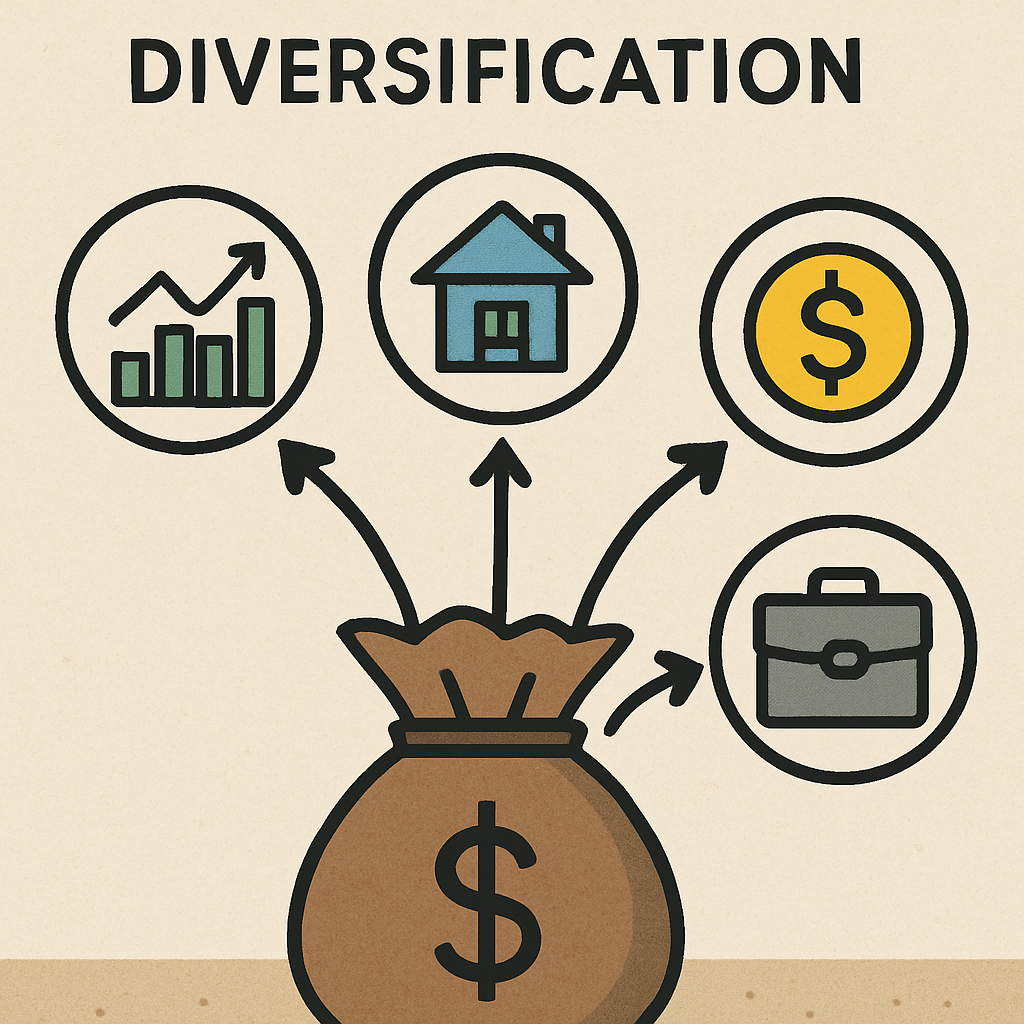
Relying too heavily on one type of investment can be risky—one of the retirement mistakes to avoid. Diversification is key to a successful retirement portfolio. By spreading your investments across various asset classes, such as stocks, bonds, and real estate, you can mitigate risks and improve the potential for returns. This strategy can protect you from market volatility and help ensure steady growth over time. Diversification reduces the impact of a poor-performing asset on your overall portfolio, enhancing stability and resilience against market downturns.
In addition to traditional asset classes, consider including alternative investments like commodities or international stocks to further diversify your portfolio. Each asset class responds differently to economic conditions, and by having a mix, you can better position yourself to take advantage of growth opportunities while minimizing risks. It’s also important to regularly review and rebalance your portfolio to ensure it aligns with your risk tolerance and retirement goals.
Ignoring Inflation
Inflation can erode the purchasing power of your retirement savings. Ignoring inflation is another of the retirement mistakes to avoid. Many people fail to account for inflation in their retirement plans, resulting in insufficient funds to maintain their desired lifestyle. It’s essential to include inflation in your calculations and consider investments that offer potential returns above the inflation rate. When planning for retirement, it’s crucial to understand that the cost of living will likely increase over time, impacting your ability to afford the same lifestyle with a fixed income.
To combat inflation, consider incorporating assets with historically higher returns, such as equities, into your portfolio. While equities come with higher volatility, they have the potential to outpace inflation over the long term. Additionally, consider investment products specifically designed to hedge against inflation, such as Treasury Inflation-Protected Securities (TIPS). By proactively managing your investments with inflation in mind, you can help preserve your purchasing power throughout retirement.
Understanding Retirement Accounts
Overlooking Tax-Advantaged Accounts
Tax-advantaged accounts, such as 401(k)s and IRAs, offer significant benefits for retirement savings. These accounts allow your money to grow tax-free or tax-deferred, which can maximize your savings over time. Failing to take full advantage of these accounts is a common retirement planning mistake. The tax benefits associated with these accounts can significantly boost your retirement savings by reducing your taxable income during your working years and allowing your investments to compound without the immediate drag of taxes.
Ensure you’re contributing enough to these accounts to receive any employer matches, as this is essentially free money that can boost your retirement savings. Additionally, consider the benefits of Roth accounts, which provide tax-free withdrawals in retirement. Diversifying your tax exposure by having both traditional and Roth retirement accounts can provide flexibility in managing your tax liability once you begin withdrawals.
Mismanaging Withdrawals
Once you retire, managing withdrawals from your accounts is crucial to avoid running out of money and to sidestep common retirement mistakes. It’s important to have a strategy in place for how you will withdraw funds, considering factors like required minimum distributions (RMDs) and tax implications. A poorly planned withdrawal strategy can deplete your savings faster than expected. Developing a withdrawal strategy involves determining a sustainable withdrawal rate that balances your income needs with the longevity of your portfolio.
Consider the order in which you withdraw funds from different accounts to optimize tax efficiency and preserve your savings. For instance, it might be beneficial to draw from taxable accounts first, allowing tax-advantaged accounts to continue growing. Consulting with a financial advisor can provide personalized strategies tailored to your specific circumstances, helping you navigate complex withdrawal rules and maximize your retirement income.
Avoiding Common Pitfalls
Neglecting Health Care Costs

by Richard Sagredo (https://unsplash.com/@sagredophotography)
Health care costs are a significant expense in retirement that many people overlook. Failing to account for these costs can quickly drain your savings. Consider long-term care insurance and other options to help cover health-related expenses and protect your retirement fund. Medical expenses tend to rise as you age, and unexpected health issues can create financial strain if not adequately planned for.
Investigate the costs associated with Medicare, supplemental insurance plans, and potential out-of-pocket expenses. Understanding these costs and incorporating them into your retirement plan can help ensure you are financially prepared for medical needs. Additionally, explore Health Savings Accounts (HSAs) as a tax-advantaged way to save specifically for healthcare costs in retirement.
Relying Solely on Social Security
While Social Security can provide a helpful income stream in retirement, it should not be your sole source of income. Social Security benefits often fall short of covering all expenses, especially as the cost of living increases. It’s crucial to have additional savings and investments to supplement your retirement income. The future of Social Security is uncertain, and benefits may be subject to changes, making it risky to rely on them entirely.
To avoid this pitfall, develop a diversified income plan that includes personal savings, retirement accounts, and other investment income. Consider delaying Social Security benefits to increase your monthly payments or explore part-time work during retirement to supplement your income. By creating a comprehensive retirement income strategy, you can reduce your reliance on Social Security and enhance your financial security.
Tailoring Strategies to Individual Needs
Customized Solutions for Business Owners
Small business owners face unique challenges in retirement planning. Balancing business growth and personal savings can be tough. Consider setting up a Simplified Employee Pension (SEP) IRA or a Solo 401(k) to maximize tax-advantaged savings while managing your business finances effectively. These retirement plans offer significant contribution limits, allowing business owners to save aggressively for their retirement.
Additionally, business owners should plan for the succession of their business, as this can be a significant component of their retirement strategy. Having a clear exit plan can ensure the business continues to thrive while providing financial security for retirement. Business owners should also work closely with financial and legal advisors to align their personal and business financial goals effectively.
Guidance for Young Professionals
For young professionals, establishing a clear financial roadmap early can set the foundation for a secure retirement. Focus on building an emergency fund, paying down high-interest debt, and contributing to retirement accounts as soon as possible. Even small contributions can make a significant difference over time. The key is to develop disciplined savings habits and take advantage of employer-sponsored retirement plans and any available matching contributions.
Young professionals should also prioritize financial education to make informed decisions about their investments and savings. Understanding the basics of budgeting, investing, and risk management can empower them to build a strong financial foundation. By taking a proactive approach to financial planning, young professionals can set themselves up for long-term success and security.
Considerations for Retirees
Retirees must focus on sustaining their savings and managing market fluctuations. Consider working with a financial advisor to create a withdrawal strategy that balances income needs with market conditions. This approach can help ensure your funds last throughout your retirement. Retirees should regularly review their investment portfolios to ensure they remain aligned with their risk tolerance and income requirements.
Additionally, retirees should explore ways to minimize taxes, such as strategic Roth conversions or tax-efficient withdrawal strategies. By carefully managing their financial resources and staying informed about market trends, retirees can navigate the challenges of retirement with confidence and peace of mind.
Conclusion
Avoiding costly retirement planning mistakes is essential to securing your financial future. These are core retirement mistakes to avoid as you refine your strategy. By starting early, diversifying your investments, understanding your retirement accounts, and tailoring your strategy to your unique needs, you can build a robust retirement plan. Remember to account for health care costs and not rely solely on Social Security for your retirement income. It’s important to remain proactive and adaptable, adjusting your plan as needed to reflect changes in your circumstances and the financial landscape.
Taking proactive steps today will help ensure a comfortable and secure retirement tomorrow. For personalized advice and strategies tailored to your specific circumstances, consider consulting with a financial advisor who can guide you through the complexities of retirement planning. By being informed and prepared, you can confidently navigate your retirement journey.
A well-thought-out retirement plan can provide peace of mind, allowing you to enjoy your golden years with financial security and independence.
Q&A
Question: I’m starting late—can I still build enough for retirement?
Short answer: Yes, but you’ll need to be intentional. Start now and save more aggressively, taking full advantage of tax-advantaged accounts so your money can compound without immediate tax drag. Consider adjusting your investment mix to match your risk tolerance and time horizon, and look for ways to increase contributions over time. You can also expand your options by delaying retirement, trimming expenses, or adding part-time income. Even small, consistent contributions add up meaningfully the earlier you begin.
Question: What does a well-diversified retirement portfolio look like, and how often should I rebalance?
Short answer: Diversification means spreading your investments across multiple asset classes—such as stocks, bonds, and real estate—and considering alternatives like commodities or international stocks. Because different assets react differently to economic conditions, a mix can reduce the impact of any single underperformer and smooth your overall returns. Review your holdings regularly and rebalance to keep your portfolio aligned with your risk tolerance and long-term goals.
Question: How do I plan for inflation so my savings don’t lose purchasing power?
Short answer: Build inflation into your projections and favor investments with the potential to outpace rising prices over time. Equities have historically offered higher long-term returns, and specialized instruments like Treasury Inflation-Protected Securities (TIPS) can help hedge inflation directly. Revisit your plan periodically, adjusting your mix and expected spending to keep your purchasing power intact throughout retirement.
Question: Should I use a traditional or a Roth retirement account?
Short answer: Both can be valuable. Traditional accounts offer tax-deferred growth and may reduce taxable income while you’re working; Roth accounts grow tax-free and provide tax-free withdrawals in retirement. Using a mix can give you tax flexibility later. At a minimum, contribute enough to capture any employer match—it’s an immediate boost to your savings—and let the funds compound over time.
Question: How should I plan for healthcare costs in retirement?
Short answer: Treat healthcare as a core budget item. Estimate premiums and out-of-pocket costs, and explore Medicare along with supplemental coverage options. Consider long-term care insurance to protect against large, unexpected expenses, and use Health Savings Accounts (HSAs), when available, as a tax-advantaged way to save specifically for future medical costs. Building these costs into your plan reduces the risk of draining your savings later.
Want to make sure you’re not missing a costly blind spot?
Schedule a free, no-obligation consultation, and we’ll review your current retirement approach, identify potential gaps (like diversification, inflation, taxes, and healthcare planning), and outline practical next steps tailored to your goals.