Understanding Medicare Plans A & B: Coverage Details
May 13, 2026
Medicare Plan A and B: What They Cover, What They Leave Out
You’ve spent decades paying into the system, but reaching the Medicare Part A and B eligibility age of 65 often triggers a confusing alphabet soup. In practice, many retirees mistakenly search for “medicare plan A and B,” unaware that these foundational pieces are actually called Parts, whereas Plans are private supplements. This guide, Medicare Plan A and B: What They Cover and What They Leave Out—clarifies the basics as you compare health insurance options.
Industry data reveals a dangerous myth: that your past payroll taxes make this healthcare entirely free. Assuming Original Medicare covers everything is a costly trap, as these government-run components carry distinct monthly premiums and uncapped out-of-pocket risks.
A clear ledger separates what these programs cover from what they exclude. Establishing this baseline helps prevent surprise bills and lifetime enrollment penalties and supports understanding Medicare plans.
Is Medicare Part A Really ‘Free’ Hospital Insurance?
Many assume their hospital coverage is completely free because they paid taxes during their working years. While it is true that most Americans earn “premium-free Part A” by working and paying Medicare taxes for at least 10 years, having no monthly premium does not mean your medical care is fully paid for.
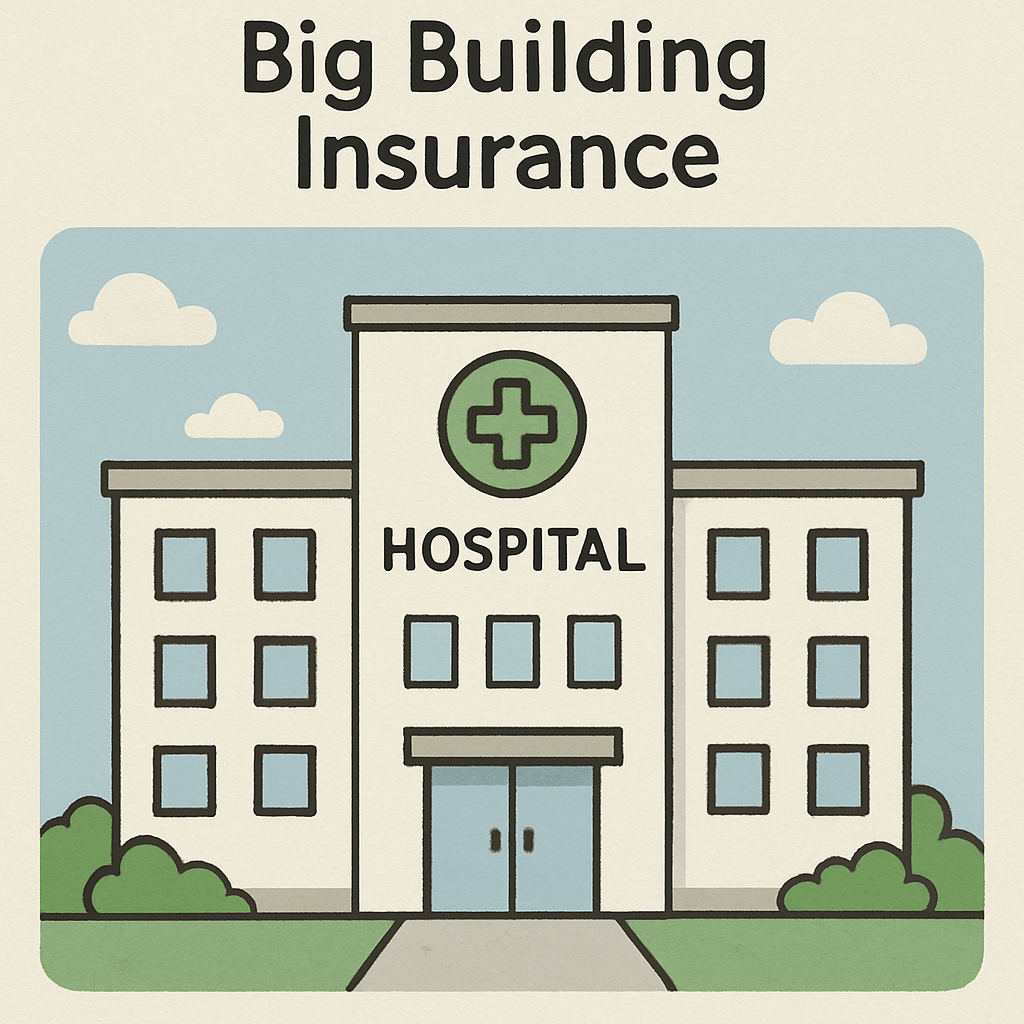
Think of Part A as your “Big Building Insurance.” When you stay overnight in a facility, it covers your room and board, but it does not cover the doctors treating you. Covered services include:
- Inpatient hospital stays
- Hospice care
- Limited home health care
- Skilled nursing facility (SNF) care, though you must meet strict skilled nursing facility coverage requirements (like having a qualifying three-day hospital stay beforehand).
The most common surprise bill comes from the Medicare Part A hospital insurance deductible. Unlike standard insurance that resets annually, Part A charges you based on an inpatient hospital stay benefit period. This period starts when you are admitted and only ends after you are out of the facility for 60 consecutive days. If you are readmitted after that 60-day window, you owe that hefty deductible all over again.
Because Part A only pays for the physical building, you might wonder who pays the surgeons and specialists walking the halls. Those services fall under Medicare Part B.
Why Medicare Part B Is Your ‘Person Insurance’ and What It Costs Monthly
If Part A is the physical building, Part B is your “Person Insurance” covering doctors and outpatient care. Keeping this coverage active requires paying standard monthly Medicare Part B premium costs, usually deducted straight from your Social Security check. Fortunately, this fee unlocks vital preventive services covered by Medicare Part B at zero cost, such as annual wellness visits and flu shots.
Treating an actual illness changes the financial math from free to a shared expense. After you meet a small yearly deductible, Medicare generally pays 80% for services, leaving you with a 20% “coinsurance” (your share of the bill). The hidden danger is that Original Medicare treats your 20% responsibility as an “uncapped bucket” with no absolute maximum out-of-pocket limit.
This unlimited financial risk applies to almost everything, including walkers or oxygen tanks governed by durable medical equipment reimbursement rules. If you undergo a $20,000 outpatient surgery followed by expensive home recovery gear, your uncapped 20% share quickly costs you thousands.
Although this endless 20% gap is a massive risk, it is not the only blind spot you face. Relying solely on these two foundational pieces leaves you totally exposed to the five ‘hidden’ healthcare costs Medicare Parts A and B never cover.

The Five ‘Hidden’ Healthcare Costs Medicare Parts A and B Never Cover
Assuming your benefits cap your financial exposure is a dangerous mistake. Because there is no out-of-pocket maximum for Original Medicare, a severe illness could drain your savings through endless 20% coinsurance. Yet, the financial risk isn’t just about the percentage you pay for covered services; it’s about the vital care the system ignores completely.
Families often discover these exclusions the hard way when asking, “Does Medicare cover long-term care at home?” The answer lies in the critical difference between “medical” and “custodial” care. While Medicare might pay for a visiting nurse to change surgical wound dressings (medical), it will never pay for someone to help you bathe, dress, or eat (custodial).
Beyond daily living assistance, you must proactively prepare for what Medicare Part B excludes in everyday health scenarios. You will face 100% of the bill for these five common exclusions:
- Routine Dental (cleanings, fillings, and dentures)
- Vision (routine eye exams and glasses)
- Hearing (hearing aids and fitting exams)
- Long-term Care (facility or home custodial care)
- Foreign Medical Care (emergencies outside the U.S.)
Navigating these Medicare dental and vision coverage gaps usually requires buying supplemental private insurance to plug the holes. However, before you can even shop for those safety nets, you must first secure your foundational coverage on time to learn how to avoid the lifetime Medicare Part B late enrollment penalty.
How to Avoid the Lifetime Medicare Part B Late Enrollment Penalty
Enrolling in Medicare for the first time is highly time-sensitive. Your Initial Enrollment Period (IEP) is a strict seven-month window surrounding your 65th birthday month. Missing it triggers a severe Medicare Part B late enrollment penalty, permanently adding a 10% premium surcharge for every full year you delay.
However, a Special Enrollment Period (SEP) allows you to safely delay Part B if you have qualifying retirement health insurance from an active, current employer. Once you secure this foundational coverage penalty-free, consider your next steps to plug the coverage holes in your retirement.
Your Next Steps to Plug the Coverage Holes in Your Retirement
You now understand that relying solely on Parts A and B leaves you exposed to an uncapped 20% financial risk. Instead of worrying about surprise bills, you can confidently protect your health by comparing Original Medicare vs Medicare Advantage and exploring Medigap plans for out-of-pocket expenses. This approach supports understanding Medicare plans as you evaluate which path fits your needs.
To establish a secure healthcare foundation, verify your Social Security credits, mark your Initial Enrollment Period dates on your calendar, and evaluate whether a Medigap or Advantage plan best suits your needs.
Q&A
Question: Are they called Medicare Plan A and B or Part A and Part B?
Short answer: They’re called Part A and Part B. “Parts” are the government-run foundation of Original Medicare, while “Plans” are private supplements you can add. Many people search for “Medicare Plan A and B,” but Plans (like Medigap or Medicare Advantage) are different products that help fill the gaps left by Parts A and B.
Question: Is Medicare Part A really free hospital insurance, and what does it cover?
Short answer: Most people get premium-free Part A after paying Medicare taxes for at least 10 years, but “no premium” does not mean your care is fully paid for. Part A is “Big Building Insurance”: it helps with room and board for inpatient hospital stays, hospice, limited home health, and skilled nursing facility care (only if you meet strict requirements like a prior three-day hospital stay). It does not pay the doctors who treat you in the hospital; those fall under Part B. Be aware of the Part A deductible, which applies per “benefit period,” not per calendar year. A benefit period starts when you’re admitted and ends after you’ve been out of a facility for 60 consecutive days; if you’re readmitted after that, a new deductible applies.
Question: What does Medicare Part B cover, and why can my costs be unpredictable?
Short answer: Part B is your “Person Insurance” for doctors and outpatient care. You pay a monthly premium (often deducted from Social Security). Preventive services like annual wellness visits and flu shots are covered at zero cost, but after a small yearly deductible, Medicare generally pays 80%, and you pay 20% coinsurance, with no out-of-pocket maximum. That uncapped 20% applies broadly, including to durable medical equipment (like walkers or oxygen), so major outpatient procedures and recovery supplies can lead to substantial bills.
Question: What important costs do Parts A and B never cover?
Short answer: Original Medicare has no out-of-pocket maximum and also excludes several common needs entirely. You pay 100% for:
- Routine dental (cleanings, fillings, dentures)
- Vision (routine eye exams and glasses)
- Hearing (hearing aids and fitting exams)
- Long-term care (custodial care at home or in a facility)
- Foreign medical care (emergencies outside the U.S.) Medicare may cover “medical” care (e.g., a nurse changing wound dressings) but not “custodial” help with daily activities like bathing or dressing. Many people address dental/vision/hearing gaps with separate private insurance after securing their Medicare foundation.
Question: How do I avoid the lifetime Part B late enrollment penalty, and what should I do next?
Short answer: Your Initial Enrollment Period is a strict seven-month window around your 65th birthday month. Missing it triggers a permanent 10% premium surcharge for every full year you delay. You can delay Part B without penalty if you qualify for a Special Enrollment Period through coverage from an active, current employer. Once your foundational coverage is in place, compare Original Medicare versus Medicare Advantage and explore Medigap plans to handle out-of-pocket expenses. Also, verify your Social Security credits and mark your enrollment dates to prevent costly surprises.
Q&A
Question: Is Medicare really “free” once I turn 65?
Short answer: No. While most people get premium-free Part A after paying Medicare taxes for about 10 years, “no premium” doesn’t mean no costs. Part B has a monthly premium (often taken from your Social Security check), and both Parts A and B can leave you with significant bills, especially because Original Medicare has no out-of-pocket maximum.
Question: How does the Part A hospital deductible work, and why might I owe it more than once in a year?
Short answer: Part A uses a “benefit period,” not a calendar year. A benefit period starts when you’re admitted as an inpatient and ends when you’ve been out of a facility for 60 straight days. If you’re readmitted after that 60-day gap, a new benefit period begins, and the Part A deductible applies again. Part A covers the “Big Building” costs, room and board for inpatient hospital stays, hospice, limited home health, and skilled nursing facility care (only if strict rules are met, like a prior three-day inpatient hospital stay). It does not pay the doctors treating you; that’s Part B.
Question: What does Part B cover, and why can my share be unpredictable?
Short answer: Part B is “Person Insurance” for doctors and outpatient care. Preventive services like annual wellness visits and flu shots are covered at no cost. After a small yearly deductible, Medicare generally pays 80%, and you pay 20% coinsurance, with no cap on your total out-of-pocket. That uncapped 20% applies broadly, including to durable medical equipment (like walkers or oxygen), so a costly outpatient surgery plus recovery supplies can leave you owing thousands.
Question: Which common healthcare needs are never covered by Parts A and B?
Short answer: You pay 100% for these five categories:
- Routine dental (cleanings, fillings, dentures)
- Vision (routine eye exams and glasses)
- Hearing (hearing aids and fitting exams)
- Long-term custodial care (help with bathing, dressing, eating at home or in a facility)
- Foreign medical care (emergencies outside the U.S.) Medicare may pay for “medical” care (e.g., a nurse changing wound dressings) but not custodial help with daily activities. Many people address dental/vision/hearing gaps with separate private insurance after securing their Medicare foundation.
Question: How do I avoid the lifetime Part B late enrollment penalty, and what should I plan next?
Short answer: Enroll during your seven-month Initial Enrollment Period around your 65th birthday month. Miss it, and you face a permanent 10% Part B premium surcharge for every full year you delay. You can delay without penalty if you qualify for a Special Enrollment Period through coverage from an active, current employer. Once your foundation is in place, compare Original Medicare versus Medicare Advantage and explore Medigap to manage out-of-pocket costs. Also, verify your Social Security credits and mark your enrollment dates to prevent surprises.
Want to avoid surprises with Medicare A & B, especially what’s not covered?
Schedule a free, no-obligation consultation, and we’ll help you understand coverage gaps, compare Medigap vs. Medicare Advantage, and plan for prescriptions and out-of-pocket costs.