Understanding Medicare: Ultimate Guide & Enrollment Tips
March 4, 2026
Understanding Medicare: A Comprehensive Guide
Navigating Medicare can feel like learning a new language. With its different “Parts,” confusing deadlines, and endless choices, it’s easy to feel overwhelmed. However, you don’t have to be an expert to make a smart decision.
At its most basic, Medicare is the federal health insurance program for people who are 65 or older. It also covers some younger people with certain disabilities or medical conditions. Think of it as the health coverage you’ve been paying into throughout your working years. Making informed choices when you first sign up is crucial, as missing a deadline or picking the wrong plan can lead to lifelong penalties or coverage gaps. Getting it right from the start provides security and peace of mind for years to come.
Quick comparison: medicaid vs medicare—Medicaid is a joint state and federal program based on income and resources, while Medicare is federal health insurance primarily for those 65+ or with certain qualifying disabilities.
This guide covers who is eligible, what the different “Parts” mean, your core choices between plans, what it costs, and exactly when and how to enroll.
Am I Eligible for Medicare? The 3 Key Requirements
The first question on everyone’s mind is simple: “Can I get it?” You are generally eligible for Medicare if you are a U.S. citizen or a legal resident who has lived in the United States for at least five continuous years. From there, eligibility typically follows one of three main paths.
Most people get their health benefits at 65, but age isn’t the only factor. You can qualify for Medicare through:
- Age: You are 65 or older.
- Disability: You are younger than 65 but have received Social Security Disability Insurance benefits for 24 months.
- Specific Illness: You have End-Stage Renal Disease (ESRD), which is permanent kidney failure, or ALS (Lou Gehrig’s disease).
Your work history also plays a role in what you pay. For most people who worked and paid Medicare taxes for at least 10 years (or whose spouse did), hospital insurance (Part A) is premium-free.
The Building Blocks of Medicare: A Quick Look at Parts A, B, C, and D
Medicare’s structure can be broken down into four main parts. Think of them as building blocks for your health coverage. The first two, Part A and Part B, are the foundation of what’s known as Original Medicare.
- Part A is your Hospital Insurance. It helps cover your care if you are formally admitted to a hospital or a skilled nursing facility.
- Part B (medicare part b) is your Medical Insurance. This is for your day-to-day needs, like doctor’s visits, outpatient care, and preventive screenings.
Parts A and B don’t cover most medications from the pharmacy. For that, you’ll need to add a Part D plan, which is for Prescription Drug coverage. These are separate plans sold by private companies that work alongside Original Medicare to help you afford your prescriptions.
Finally, there’s an alternative path called Part C, or Medicare Advantage. These are “all-in-one” plans offered by private insurance companies that bundle Parts A, B, and usually D together. They often include extra benefits that Original Medicare doesn’t, like dental or vision, but typically require you to use a specific network of doctors.
Your First Big Decision: Original Medicare vs. Medicare Advantage
You have to decide how to put the building blocks of Medicare together. This means facing your first major choice: picking one of two main paths for your coverage. You can’t have both, so understanding the fundamental difference between them is crucial.
The first path is Original Medicare, the traditional health plan run by the federal government. Its biggest advantage is freedom—you can visit any doctor or hospital in the U.S. that accepts Medicare. This path combines your Part A (Hospital) and Part B (Medical) benefits. However, to cover prescriptions, you will almost always need to enroll in a separate Part D drug plan.
Your other option is Medicare Advantage, also known as Part C. These are all-in-one plans offered by private insurance companies that bundle everything—Part A, Part B, and usually Part D—into one package. In exchange for using a specific network of doctors and hospitals, these plans often include extra benefits not covered by Original Medicare, like dental, vision, and gym memberships.
To make it easier, think of your choice this way:
Original Medicare:
- Doctor Choice: Go to nearly any doctor or hospital in the U.S.
- Coverage: Includes Part A + Part B. You add Part D separately.
- Management: You use multiple cards (your Medicare card and a drug plan card).
Medicare Advantage (Part C):
- Doctor Choice: Must use doctors and providers in your plan’s network.
- Coverage: Bundles Part A + Part B + usually Part D, often with extras.
- Management: You use one single card from your private insurance company.
What Original Medicare Covers (And What It Doesn’t)
If you choose the Original Medicare path, you’re getting your health coverage directly from the federal government. This plan is broken into two main pieces, Part A and Part B, and each one handles a different side of your healthcare. It’s a powerful foundation, but it has boundaries.
Part A is your hospital insurance. It helps pay for your care if you are formally admitted as an inpatient to a hospital or for a limited stay in a skilled nursing facility after a hospital stay. For most people who have worked and paid Medicare taxes, there is no monthly fee for Part A.
Part B is your medical insurance. You’ll use this for your everyday healthcare needs, as it helps cover the costs of doctor visits, outpatient hospital care, preventive services like flu shots, and medical supplies like walkers. Unlike Part A, nearly everyone pays a standard monthly fee for Part B.
Recognizing what’s missing is critical. On its own, Original Medicare has significant gaps. It does not cover most prescription drugs you take at home, nor does it pay for routine dental care, eye exams for glasses, or hearing aids. Because of these gaps, many people on this path purchase additional private insurance.
Decoding the Costs of Original Medicare
The next logical question is: what will Original Medicare actually cost you? The costs come in a few different forms. Some are predictable monthly bills, while others depend on how much you use your healthcare services throughout the year.
First is the regular monthly fee, known as a premium. Most people do not pay a monthly premium for their Part A hospital insurance, thanks to the Medicare taxes they paid while working. However, everyone pays a standard monthly premium for Part B medical insurance. This amount is set by the government each year and is often deducted directly from Social Security benefits.
Beyond that fixed monthly bill, you also have costs when you receive care. Before your Part B coverage kicks in each year, you must pay a certain amount out-of-pocket first. This is called the deductible. After your deductible is met, Medicare begins to share the cost with you. Typically, Medicare pays 80% of the approved amount for most doctor services, and you are responsible for the remaining 20%. This 80/20 split is called coinsurance.
If you contribute to an hsa (Health Savings Account), be aware that enrolling in any part of Medicare—often including retroactive Part A—generally makes you ineligible to continue HSA contributions. Plan the timing of enrollment carefully to avoid tax penalties.
Perhaps the most critical cost detail is that with Original Medicare, there is no yearly cap on your 20% share. This means that for a major health event, your out-of-pocket costs could continue to add up without a limit. This potential for high costs is the primary reason many people choose to buy additional insurance.
How to Fill the Gaps in Original Medicare
That potential for unlimited 20% coinsurance can be a major source of worry. Thankfully, the system allows private insurance companies to offer plans that help you manage these costs.
The first tool is Medicare Supplement Insurance, more commonly known as Medigap. Sold by private insurers, these plans are specifically designed to work with Original Medicare to help pay for your share of the costs, such as your deductibles and that 20% coinsurance. A Medigap plan provides a crucial safety net, making your healthcare expenses much more predictable.
However, a Medigap policy doesn’t cover everything. It won’t help with the other major gap in Original Medicare: prescription drugs. To get help with the cost of medications you take at home, you will need to enroll in a separate Medicare Part D Prescription Drug Plan. These plans are also offered by private companies and come with their own monthly fee.
As a result, many people on Original Medicare end up with three different cards: one for Original Medicare (Parts A and B), one for their Medigap plan, and one for their Part D drug plan.
Don’t Be Late: Your Guide to Medicare Enrollment Deadlines
When it comes to signing up for Medicare, timing is everything. For most people, the key deadline is their Initial Enrollment Period (IEP). This is your personal 7-month window to enroll around your 65th birthday. It includes:
- The 3 months before your 65th birthday month
- The month you turn 65
- The 3 months after your 65th birthday month
Failing to sign up for Part B during your IEP can have serious, long-lasting consequences. If you delay enrollment and don’t have other qualifying health coverage, you may face a Late Enrollment Penalty. This isn’t a one-time fee; it’s an extra amount added to your Part B monthly payment for as long as you have Medicare.
There is, however, a major exception. If you are still working past 65 and have health coverage through your (or your spouse’s) current employer, you may qualify for a Special Enrollment Period (SEP). This allows you to delay enrolling in Part B without penalty.
How to Sign Up for Medicare Through Social Security
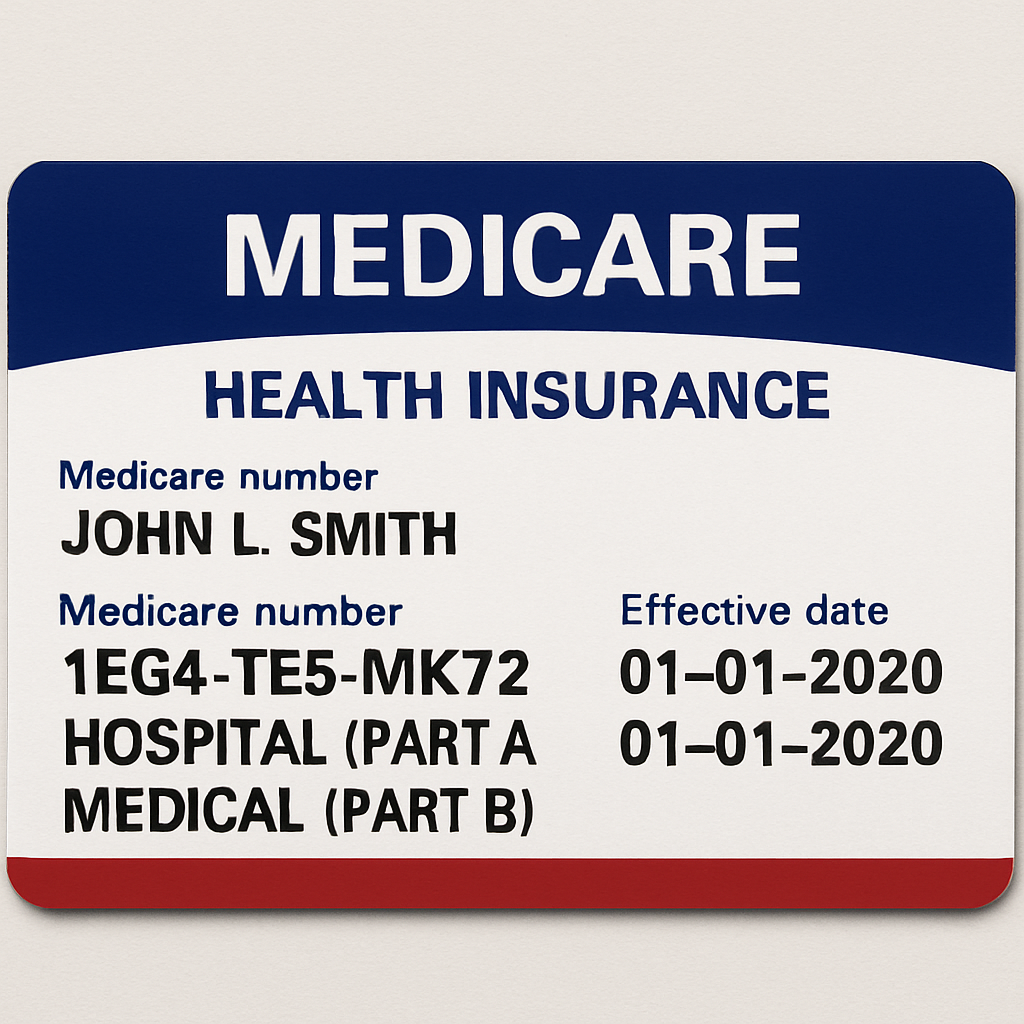
For many people, the process of signing up for Medicare is surprisingly simple. If you are already receiving Social Security or Railroad Retirement Board benefits at least 4 months before you turn 65, you will be automatically enrolled in Medicare Parts A and B. Your red, white, and blue Medicare card will simply arrive in the mail. If you aren’t receiving those benefits yet, you will need to sign up for yourself.
The Social Security Administration (SSA) handles most Medicare applications. The fastest and easiest way to sign up is by visiting the official SSA website. This online application allows you to enroll in Medicare even if you aren’t ready to start your Social Security retirement benefits.
Completing this application through Social Security is your foundational step. This process gets you signed up for Original Medicare (Part A and Part B). Once that is in place, you can then make other important choices, such as whether to add a prescription drug plan or explore an all-in-one Medicare Advantage plan.
Your Medicare Action Plan: Key Takeaways and Next Steps
Your Medicare journey starts with one key decision: choosing between the go-anywhere flexibility of Original Medicare or the bundled convenience of a private Medicare Advantage plan. There is no single “best” answer, only the one that is right for your health, budget, and lifestyle.
Whatever path you consider, be mindful of your Initial Enrollment Period. Enrolling on time is the most critical action you can take to prevent lifelong late-enrollment penalties, giving you peace of mind for decades to come.
Your next two steps are simple. First, find your personal enrollment dates and mark them clearly on your calendar. Second, visit the official Medicare.gov website to explore the specific plans and costs in your area. Stay current with medicare news, including the recent medicare advantage marketing rule judge decision, for developments that may affect plan marketing and enrollment. You are now prepared to navigate the system.
Want help choosing the Medicare Advantage plan that actually fits your doctors, prescriptions, and budget?
Schedule a free, no-obligation consultation, and we’ll help you compare plan types (HMO vs. PPO), confirm provider networks, estimate total yearly costs (not just premiums), and map out the right enrollment window.