High Dividend Stocks: Smart Strategies for Retirees
April 27, 2026
Stocks That Pay High Dividends: What Retirees Should Know
Investing in stocks that pay high dividends can be tempting for retirees. These investments promise a steady income stream. However, not all high dividend stocks are created equal. This guide—Stocks That Pay High Dividends: What Retirees Should Know Before Chasing Yield—explains how to pursue income without taking unnecessary risk while comparing options with the best dividend stocks.
Retirees must be cautious when chasing yield. Some stocks may offer high dividends but come with significant risks. Understanding these risks is crucial for making informed decisions about high dividend investments.
High dividend investments can be part of a balanced retirement strategy. They can provide income and stability. But it’s important to evaluate the financial health of the companies involved, especially when selecting the best dividend stocks and other high-dividend stocks.
Diversification is key to managing risk. Retirees should consider a mix of high dividend and growth stocks. This approach can help protect against inflation and market volatility.
In this guide, we’ll explore what retirees should know before investing in high dividend stocks. We’ll cover the benefits, risks, and strategies for making smart investment choices among high dividend stocks.
Why High Dividend Investments Appeal to Retirees
High dividend investments attract retirees mainly for their potential to provide a steady income stream. For those no longer earning a salary, dividends can offer a reliable cash flow. This is particularly appealing when interest rates are low.
Moreover, these investments can add a layer of financial security. Stocks that pay high dividends often belong to stable, established companies. Such stocks are perceived as lower-risk, offering not just income but also peace of mind.
Retirees can benefit from high dividend investments in several ways:
- Regular income payouts for covering living expenses
- Potential for additional income growth through dividend reinvestment
- Participation in profitable companies with a long history of stable dividends
In addition, high dividend stocks can complement other retirement income sources, such as Social Security or pensions. This makes them an important component of a diversified retirement portfolio.
Understanding Dividend Yield and What It Really Means
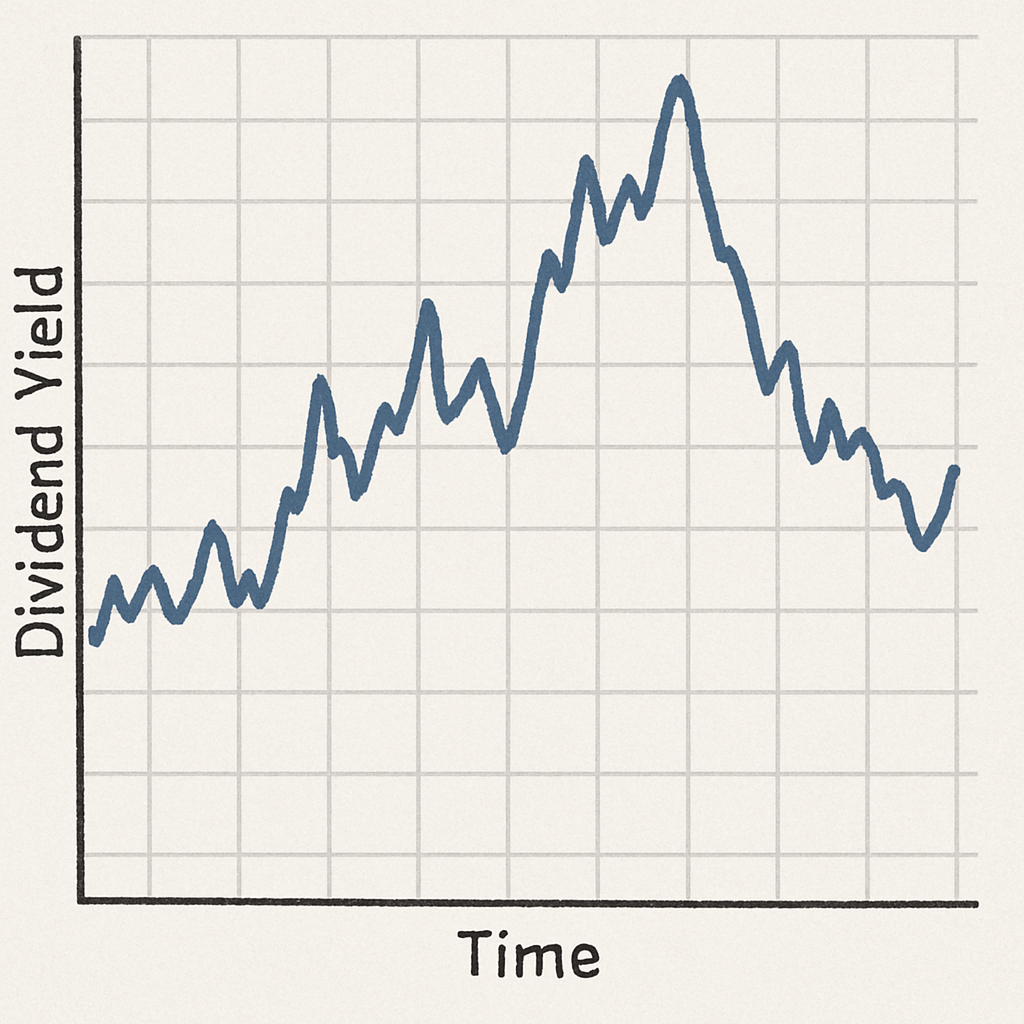
Dividend yield is a key concept for retirees considering high dividend investments. It’s calculated by dividing the annual dividend by the stock price. This percentage helps investors understand the return they can expect from dividend income relative to the stock’s price.
A high dividend yield might look appealing at first. However, it can sometimes indicate a falling stock price. It is important to investigate further to ensure there are no underlying issues with the company.
To assess the sustainability of dividends, retirees should consider several factors:
- The company’s payout ratio and whether it seems sustainable
- Recent trends in the company’s earnings and cash flow
- Market conditions that might impact future dividends
To make informed decisions, it is crucial to not only focus on the dividend yield. Understanding the company’s overall financial health is essential. This holistic approach helps retirees avoid the pitfalls of chasing yield and identify the best dividend stocks for long-term income.
The Risks of Chasing Yield: What Retirees Must Watch Out For
Chasing high dividend yields can be tempting, but it comes with risks. Not all high yields are sustainable. Some may signal that the company is in trouble.
Retirees should be cautious of dividend traps. These are stocks with high yields that aren’t backed by solid financials. A high yield may be masking underlying issues, such as declining profits or increasing debt.
A company’s payout ratio tells much about dividend safety. A very high ratio can indicate that a company might struggle to maintain its dividends during tough times. It’s crucial to evaluate the company’s earnings and cash flow to ensure dividends are manageable.
Retirees must also consider market volatility. High dividend stocks may be more volatile, impacting the stability of income. Economic downturns can lead to dividend cuts.
Key risks to consider include:
- Unsustainable payout ratios
- High levels of corporate debt
- Potential for dividend cuts
- Sector-specific and market volatility risks
Staying vigilant and informed can help retirees navigate these risks successfully. It’s vital to balance high dividend income with stable companies.
Evaluating the Safety of Stocks That Pay High Dividends
Before investing, retirees should assess the safety of high dividend stocks. Financial health is crucial. Companies should have strong balance sheets and stable earnings.
A key metric to evaluate is the payout ratio. It shows what part of earnings is paid as dividends. A lower ratio indicates more safety as there’s income left after dividends.
Another factor is the company’s track record. Firms with a history of consistent or growing dividends are less risky. Dividend Aristocrats are prime examples. They have raised dividends for over 25 years.
Consider the industry, too. Some sectors, like utilities and consumer staples, generally offer more reliable dividends. Evaluating these aspects can make for safer investments. Often, the best dividend stocks share traits like durable cash flow, prudent capital allocation, and disciplined debt management.
Key safety indicators include:
- Payout ratio
- Earnings stability
- Dividend history
- Industry risk profile
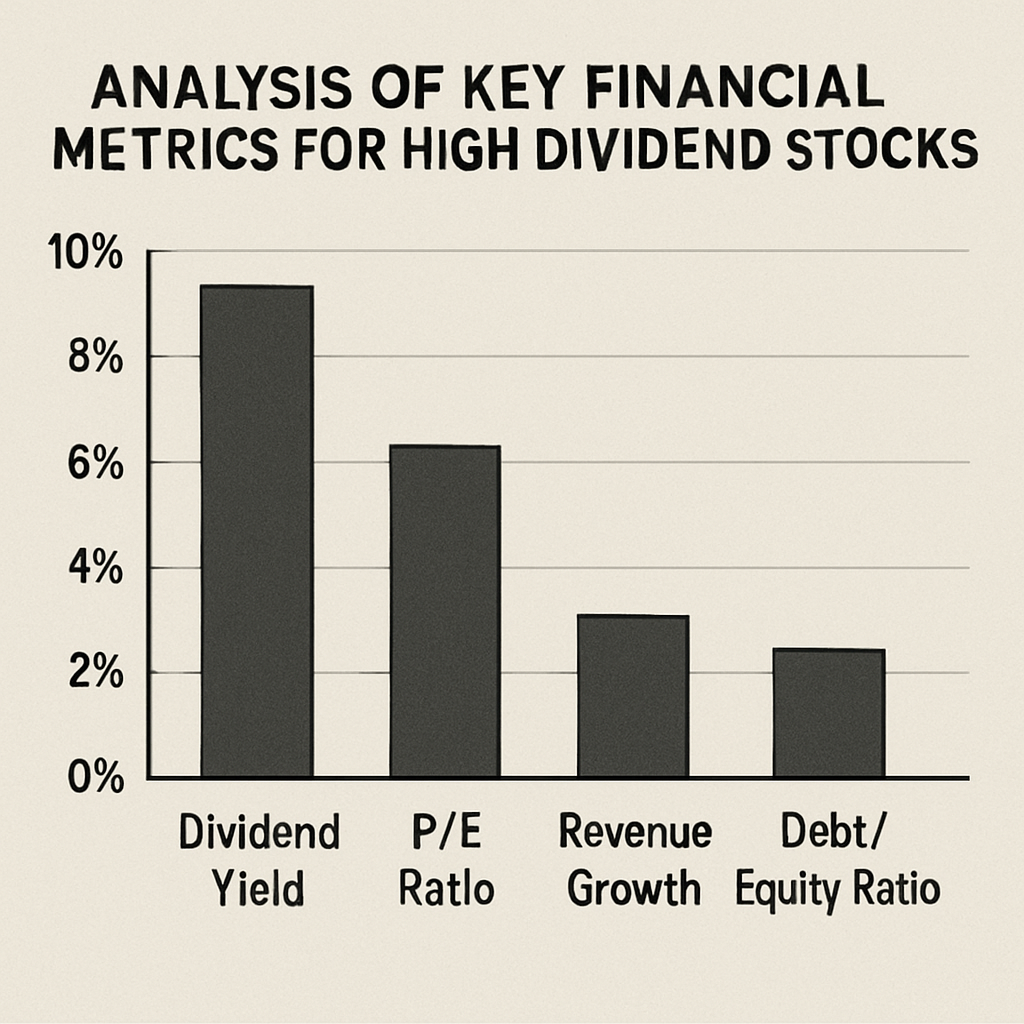
Evaluating these elements helps ensure dividends are stable and reliable. This approach fosters a more secure retirement strategy when selecting among stocks that pay high dividends.
Building a Diversified High Dividend Portfolio for Retirement
Building a diversified portfolio is key to managing risk for retirees seeking high dividends. Diversification involves investing across different sectors and companies. This strategy helps to minimize the impact of poor performance in one area.
High dividend stocks are found in sectors such as utilities, real estate, and consumer staples. Allocating funds across these sectors can stabilize income streams. It’s wise to balance these with some growth stocks to hedge against inflation.
Including different asset types, such as mutual funds and ETFs, can further diversify and reduce risk. This approach ensures a more balanced portfolio. Regular portfolio reviews can also help maintain diversification and adapt to market changes.
Consider incorporating these elements:
- Sector diversification
- Asset type variety
- Regular portfolio assessment
by MK +2 (https://unsplash.com/@mkmasdos)
By following these guidelines, retirees can create a more resilient income-generating portfolio. This helps sustain their lifestyle in retirement while managing risks effectively.
Tax Implications and Other Considerations for Retirees
Tax implications are vital for retirees investing in high-dividend stocks. Understanding the tax differences between qualified and non-qualified dividends can impact net income. Qualified dividends often enjoy a lower tax rate compared to non-qualified ones.
Consider the role of investments within tax-advantaged accounts, such as IRAs. These accounts can defer taxes, providing more income flexibility. The choice between taxable and tax-deferred accounts should align with long-term financial goals.
Aside from taxes, retirees must watch for changes in market conditions and regulations. Staying informed enables making timely adjustments. Always be prepared for fluctuations and potential policy changes that may affect dividends.
Key considerations include:
- Tax treatment of dividends
- Use of tax-advantaged accounts
- Awareness of market and policy changes
Tips for Making Smart High Dividend Investments
Investing smartly in high dividend stocks requires careful analysis. First, look at the company’s payout ratio, which shows if dividends are sustainable. A high payout could mean risk if profits dip.
Next, assess the company’s history of dividend payments. Companies with a record of stable or growing dividends are often safer bets. Consistency in dividends indicates financial strength and reliability.
Diversification remains vital to minimize risks. Spread investments across various sectors and industries. This approach protects your portfolio from economic fluctuations.
Key tips include:
- Evaluate payout ratios
- Check dividend payment history
- Diversify across sectors to manage risk
Balancing Income, Growth, and Safety in Retirement
Achieving a balanced retirement portfolio involves managing income, growth, and safety together. High dividend investments can provide steady income, crucial for retirees seeking to maintain their lifestyle. However, it’s essential not to ignore growth potential, which helps protect against inflation.
Safety remains a priority in retirement investing. Assessing the financial health of companies and ensuring diversification will mitigate risks. By combining high dividend stocks with growth stocks and carefully choosing among the best dividend stocks and stocks that pay high dividends, retirees can enjoy a reliable income stream while ensuring their investments grow over time. A careful and informed approach can lead to a rewarding retirement strategy.
Curious if dividend stocks belong in your retirement plan—or if the risks outweigh the income?
Schedule a free, no-obligation consultation, and we’ll help you evaluate dividend strategies, avoid common pitfalls (like concentration risk), and align your investments with your income needs and retirement timeline.