
HSA Rules & Medicare: Key Insights Before You Enroll
May 27, 2026
HSA Account Rules to Know Before You Enroll in Medicare
Definition and Purpose
A Health Savings Account (HSA) is a type of savings account that offers significant HSA tax advantages designed to help individuals save for medical expenses. As a health savings plan, it is primarily paired with high-deductible health plans (HDHPs), encouraging proactive management of healthcare costs. The core purpose of an HSA is to provide a financial cushion for medical expenses, allowing for tax-free withdrawals when funds are used for qualified medical expenses.
Tax Benefits
One of the most appealing aspects of HSAs is their tax benefits. Contributions to an HSA are tax-deductible, meaning they reduce your taxable income. Additionally, any interest or investment growth within the account is tax-free, providing a significant advantage over traditional savings accounts. Withdrawals are also tax-free if used for eligible medical expenses, making HSAs a powerful tool for managing healthcare costs.
Flexibility and Accessibility
HSAs offer remarkable flexibility, allowing account holders to pay for a wide range of medical expenses, including deductibles, copayments, and prescriptions. Unlike some other savings accounts, an HSA account is portable, meaning it is not tied to your employer. This portability ensures that you retain control over your HSA funds even if you change jobs or retire, providing long-term financial security.
Why Consider an HSA?
HSAs offer several benefits that make them an attractive savings tool, especially for those planning for retirement:
Tax Advantages
The tax advantages of HSAs extend beyond simple contributions. By reducing your taxable income, HSAs can result in significant tax savings over time. Moreover, the tax-free growth of the account allows your savings to compound, increasing the funds available for future medical expenses.
Versatility in Usage
Funds in an HSA can be utilized for a wide range of qualified medical expenses. This includes costs that might not be covered under traditional insurance plans, such as dental and vision care. The versatility of HSAs ensures that you have a financial resource to rely on for unexpected medical expenses, thereby reducing out-of-pocket costs during retirement.
Long-Term Financial Planning
HSAs are an excellent tool for long-term financial planning, particularly for those anticipating medical expenses in retirement. By contributing to an HSA, individuals can build a substantial financial reserve to cover healthcare costs, which are often a significant portion of retirement expenses. This planning not only alleviates the financial burden but also provides peace of mind knowing that medical costs are accounted for.
Understanding the Interaction Between HSAs and Medicare
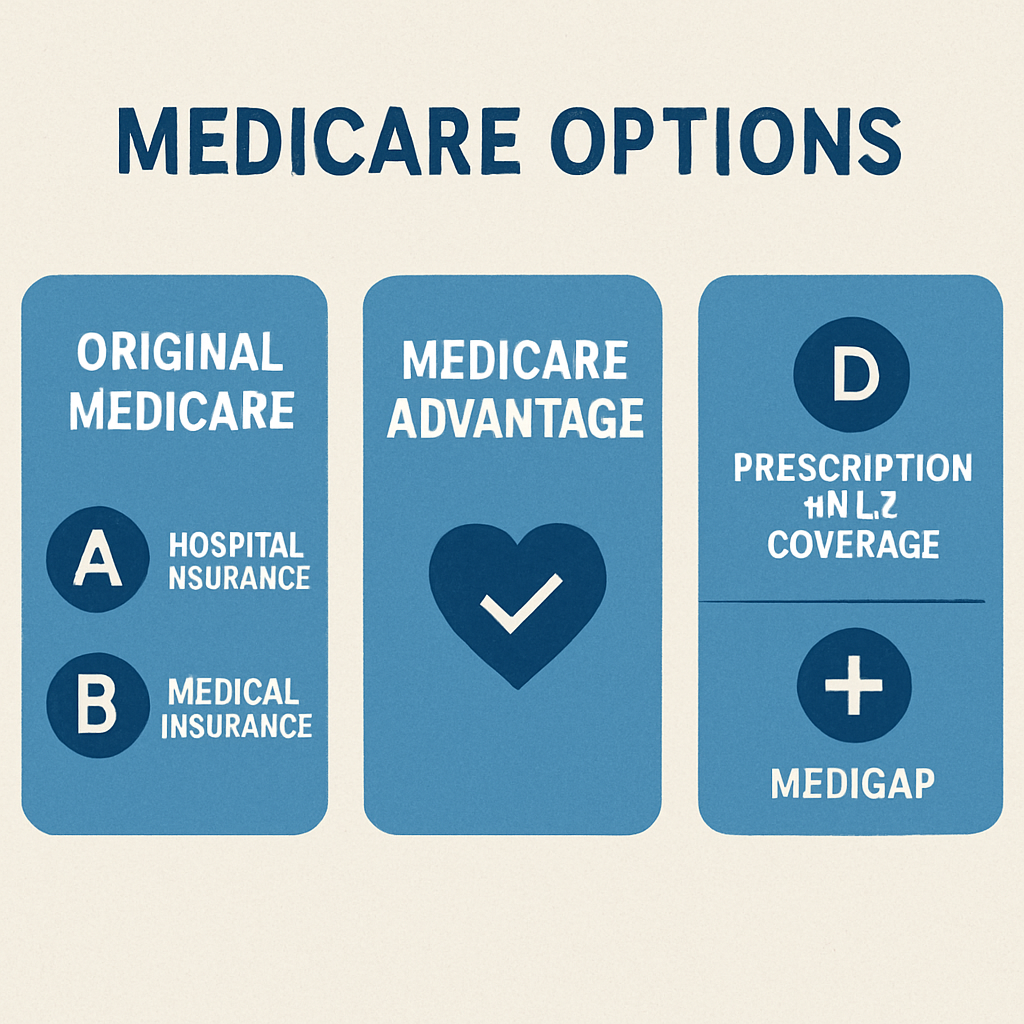
Below are key HSA Account Rules to Know Before You Enroll in Medicare so you can plan effectively and avoid penalties.
Once you enroll in Medicare, you can no longer contribute to your HSA. However, you can still use the funds already in your account for qualified medical expenses. Understanding this interaction is crucial for planning purposes, especially if you’re approaching the Medicare eligibility age of 65.
Medicare Enrollment and HSA Contributions
It’s important to note that the moment you enroll in Medicare, your eligibility to contribute to an HSA ceases. This rule applies to all parts of Medicare, and failing to adhere can result in tax penalties. Therefore, it is advisable to plan your contributions carefully as you approach the age of 65, especially if you are managing a long-standing HSA account.
Retroactive Medicare Enrollment Implications
Medicare Part A can be retroactively applied up to six months if you delay enrollment past age 65. This aspect requires careful timing of your HSA contributions to avoid penalties. To be on the safe side, individuals should cease contributions six months before they plan to enroll in Medicare, ensuring compliance with federal regulations.
Using HSA Funds Post-Medicare Enrollment
Even after enrolling in Medicare, your HSA account funds remain a valuable resource. They can be used to pay for various expenses, including Medicare premiums, deductibles, copayments, and coinsurance. However, it is important to note that HSA funds cannot be used for Medigap premiums, which require separate financial planning.
Strategies for Managing Your HSA Pre-Medicare
Maximize Contributions Before Medicare
While you’re still eligible, consider maximizing your HSA contributions within the HSA contribution limits. For 2023, the contribution limit is $3,850 for individual coverage and $7,750 for family coverage, with an additional $1,000 catch-up contribution for those aged 55 and older. Taking full advantage of these limits can significantly boost your savings, providing a robust financial reserve for future healthcare needs.
Plan for Medical Expenses
Using your HSA to cover medical expenses in retirement can be an excellent strategy to manage costs. Estimate your potential healthcare needs and set aside funds accordingly. Consider factors such as existing medical conditions, potential future healthcare needs, and inflation in medical costs to ensure you have adequate savings.
Investment Opportunities
HSAs often offer investment opportunities similar to retirement accounts. By investing a portion of your HSA funds, you can potentially increase your savings, providing a larger financial buffer for medical expenses. Carefully evaluate your risk tolerance and investment options to maximize your HSA’s growth potential.
Real-World Example: Transitioning to Medicare with an HSA
Consider John, a 64-year-old small business owner. He has been contributing to his HSA account for several years and plans to enroll in Medicare when he turns 65. Here’s how he prepares:
Ceases Contributions
John stops his HSA contributions six months before his 65th birthday to avoid penalties from retroactive Medicare enrollment. By doing so, he ensures compliance with Medicare rules and avoids unexpected tax liabilities, demonstrating proactive financial management.
Budget for Healthcare
He estimates his healthcare expenses, considering his current health and potential future needs, ensuring he has sufficient funds in his HSA for qualified expenses. This budgeting process involves a detailed assessment of his medical history, potential future conditions, and the costs associated with Medicare coverage.
Consults a Financial Advisor
John works with a financial advisor to integrate his HSA funds into his broader retirement plan, ensuring a stable financial future. The advisor helps him navigate the complexities of Medicare and HSA regulations, optimizing his strategy for long-term financial security and healthcare coverage.
Tips for Retirees
Review Your Healthcare Needs
Regularly assess your healthcare needs and adjust your financial strategies accordingly. As healthcare needs can change with age, maintaining flexibility in your planning ensures you are prepared for any eventualities. Periodic reviews help align your savings with your current and future medical requirements.
Stay Informed
Medicare rules can change, so staying updated on regulations is crucial for managing your HSA effectively. Keep abreast of legislative changes and updates to Medicare policies to ensure your financial strategies remain compliant and effective. Engaging with reliable sources and healthcare professionals can provide valuable insights into navigating these changes.
Seek Professional Guidance
Consider consulting with a financial advisor to tailor your retirement strategy to your unique needs and goals. Professional guidance can offer personalized insights into optimizing your HSA and Medicare interactions, ensuring you make informed decisions that enhance your financial health and retirement readiness.
The Bottom Line

by Vitaly Gariev (https://unsplash.com/@silverkblack)
Understanding HSA Account Rules to Know Before You Enroll in Medicare is vital for maximizing your savings and ensuring a smooth transition into retirement. By planning, you can make informed decisions that will benefit your financial health in the long run. Whether you’re a small business owner or a retiree, leveraging your HSA wisely can provide peace of mind and financial security as you navigate the complexities of healthcare in your golden years.
Empower yourself with knowledge, and don’t hesitate to seek professional advice to make the most of your health savings plan. With the right strategies in place, you can confidently face the future, knowing your healthcare needs are covered. Preparing for the transition to Medicare with a well-managed HSA can significantly enhance your retirement experience, offering financial stability and the assurance that your medical expenses are well-managed.
Planning to enroll in Medicare and unsure how it affects your HSA?
Schedule a free, no-obligation consultation, and we’ll help you understand timing rules (including when to stop contributing), avoid penalties, and build a clean transition plan so you keep every tax benefit you’ve earned.
Q&A
Question: When do I have to stop contributing to my HSA if I’m enrolling in Medicare?
Short answer: You must stop HSA contributions the moment you enroll in any part of Medicare. Because Medicare Part A can be retroactively applied for up to six months if you delay enrollment past 65, a conservative approach is to cease HSA contributions six months before the date you plan to enroll. This timing helps you avoid tax penalties tied to ineligible contributions.
Question: Can I still use my HSA after I enroll in Medicare, and what can it pay for?
Short answer: Yes. You can continue using existing HSA funds for qualified medical expenses after you enroll in Medicare. Eligible uses include Medicare premiums, deductibles, copayments, and coinsurance. However, HSA funds cannot be used to pay Medigap (Medicare Supplement) premiums, so plan for those separately.
Question: What are the 2023 HSA contribution limits before I join Medicare?
Short answer: For 2023, the HSA contribution limits are $3,850 for self-only coverage and $7,750 for family coverage. If you are age 55 or older, you can contribute an additional $1,000 as a catch-up contribution, up until you enroll in Medicare, at which point contributions must stop.
Question: Why is an HSA useful for retirement planning?
Short answer: HSAs offer triple tax advantages, tax-deductible contributions, tax-free growth, and tax-free withdrawals for qualified medical expenses, making them a powerful way to prepare for healthcare costs in retirement. They’re also flexible (covering expenses like dental and vision), portable (not tied to your employer), and can be invested to potentially grow your healthcare reserve over time.
Question: How should I prepare my HSA strategy as I approach Medicare eligibility?
Short answer: Consider these steps:
- Stop contributions six months before your planned Medicare enrollment to avoid retroactive enrollment issues.
- Estimate likely healthcare expenses (current conditions, future needs, and inflation) to size your HSA reserve.
- Evaluate investment options within your HSA to balance growth potential with risk.
- Stay informed about Medicare rules and consider working with a financial advisor to integrate your HSA into your broader retirement plan.