Private Health Coverage: Post-Employer Plan Guide
May 20, 2026
Private Health Coverage After Leaving an Employer Plan
Navigating health coverage after leaving an employer plan can be daunting. Many face this challenge when retiring or changing jobs. Understanding your options is crucial for maintaining coverage. This guide focuses on Private Health Coverage After Leaving an Employer Plan and how to keep benefits intact.
Private health insurance and private health coverage offer flexibility but require careful consideration. You need to evaluate costs, benefits, and coverage gaps. Retirement health insurance is another key aspect to explore.
COBRA, ACA marketplace insurance plans, and Medicare are popular options. Each has unique features and eligibility requirements. Knowing these can help you make informed decisions.
Short-term plans and health savings accounts offer additional solutions. They can bridge gaps or provide tax advantages. However, they may not suit everyone.
This guide will help you transition smoothly. It covers essential information and tips for choosing the right plan.
Understanding the Transition: What Happens When You Leave an Employer Plan?
Leaving an employer-sponsored health plan can create uncertainty. It’s essential to know your health coverage options post-employment, including private health insurance and marketplace insurance. Understanding your timeline for choosing new coverage is crucial.
Once you leave your job, your employer’s health coverage doesn’t end immediately. Typically, you’ll have a grace period to select a new plan. This period varies depending on your specific circumstances.
Some steps to consider during this transition include:
- Reviewing your current health needs and expenses
- Checking deadlines for special enrollment periods
- Exploring alternatives like joining a spouse’s plan
This knowledge helps prevent gaps in coverage. By understanding your options and timelines, you can maintain consistent health insurance and avoid penalties. Stay proactive in managing your health insurance needs during this time.
COBRA: Continuing Your Employer Coverage
One option when leaving an employer plan is COBRA. COBRA lets you keep your former employer’s health coverage temporarily. This continuation covers you for up to 18 or 36 months, depending on the situation.
While COBRA ensures continuity of care, it’s important to consider the cost. Typically, you’ll pay the full premium, plus a small administrative fee. This means COBRA can be more expensive than your previous contribution.
Before enrolling in COBRA, assess your needs and other alternatives. Here are some key points:
- You must enroll within 60 days of losing coverage
- COBRA is available for most employer plans
- It might be practical if you need time to explore other options, such as marketplace insurance or private health insurance
Choosing COBRA can offer peace of mind during a transitional phase. However, it’s smart to compare its cost against other available health insurance options.
ACA Marketplace Plans: Exploring Your Options
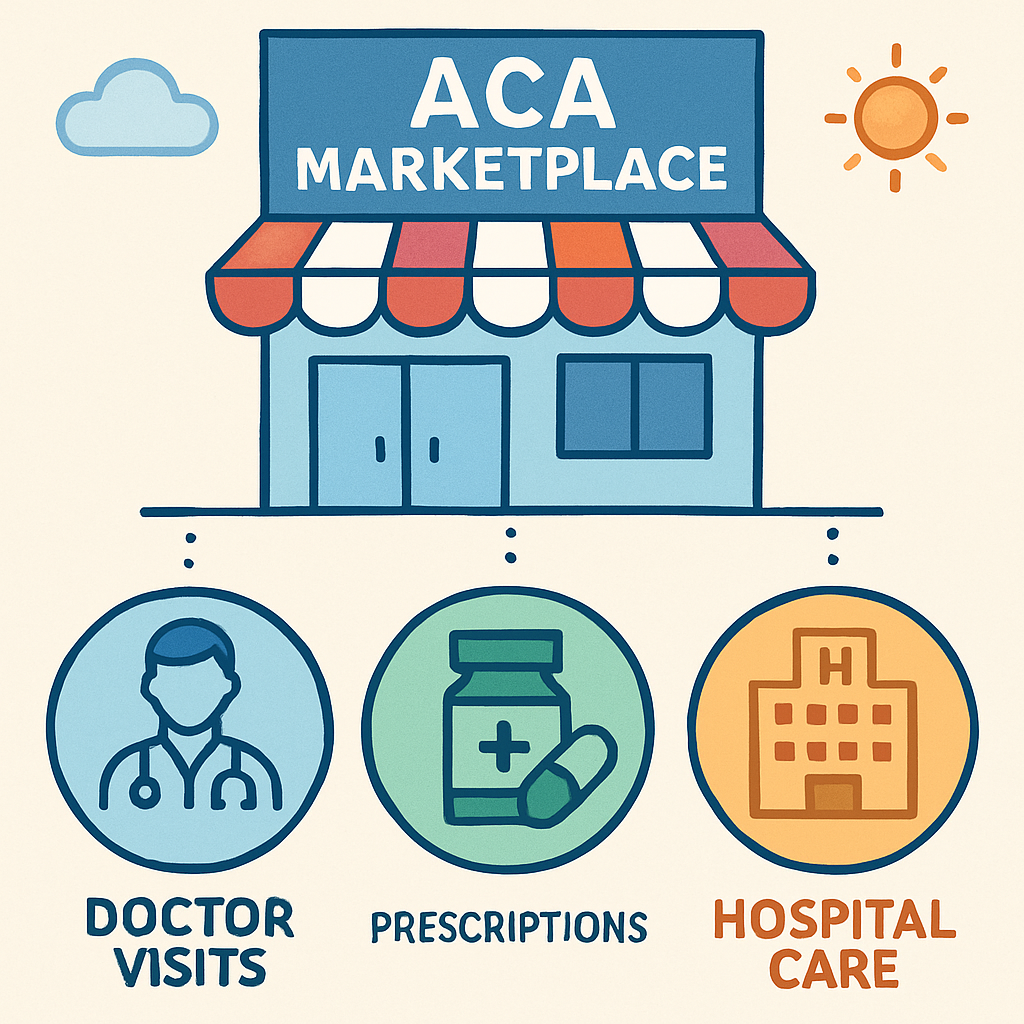
The ACA Marketplace offers diverse private health coverage options. When you leave an employer plan, you can explore plans tailored to your needs. These range from different coverage levels and costs, and are widely referred to as marketplace insurance.
Subsidies in marketplace insurance can make plans affordable. If you qualify, these can significantly reduce your premiums. It’s wise to compare plans and check for available subsidies.
Enrollment in the Marketplace is straightforward. You must sign up during Open Enrollment or a Special Enrollment Period. This ensures you’re covered without unnecessary gaps.
When considering Marketplace plans, keep in mind:
- Plan categories: Bronze, Silver, Gold, and Platinum
- Coverage includes essential health benefits
- The network of doctors and hospitals
Choosing marketplace insurance requires thoughtful evaluation. Use the tools provided on the Marketplace website to compare plans and costs. This will guide you in selecting the best fit for your health coverage needs.
Medicare and Retirement Health Insurance
Medicare is a critical part of retirement health insurance for those 65 and older. It provides several parts, each covering different health services. Enrollment in Medicare is a key step when transitioning from an employer plan.
You should understand the different parts of Medicare:
- Part A: Hospital insurance
- Part B: Medical insurance
- Part D: Prescription drug coverage
Supplemental insurance is essential to cover gaps in Medicare. Known as Medigap, these policies help with co-payments and deductibles. Not all retirees automatically qualify, so research eligibility criteria.
Timing is crucial when enrolling in Medicare. Enrollment periods are specific, and missing them may lead to higher premiums. Consult Medicare resources to ensure you make informed decisions regarding your retirement health insurance options.
Short-Term and Alternative Health Insurance Options
Short-term health insurance plans are ideal for gaps between longer coverage. They are typically less expensive but offer limited benefits. Be cautious, as they often exclude pre-existing conditions.
Several alternatives can complement or replace traditional insurance. Explore health care sharing ministries, which pool resources among members for medical expenses. These are not insurance, but can be cost-effective for some.
Other options include fixed indemnity plans and catastrophic health insurance, which offer specific dollar amounts for covered services. Keep in mind, they don’t provide comprehensive coverage. When choosing alternative plans, understand the limitations to avoid unexpected out-of-pocket expenses, and consider how they work alongside private health insurance.
Key Considerations When Choosing Private Health Coverage
Selecting private health coverage requires evaluating a variety of factors. First, assess the cost and coverage balance. Compare monthly premiums, deductibles, and out-of-pocket maximums to your budget.
Next, think about the network of healthcare providers included. Make sure your preferred doctors and hospitals are covered. Consider how the plan handles care if you travel often or live in different states throughout the year.
Don’t overlook the importance of specific health needs. If prescription drugs or mental health services are essential, ensure the plan covers them adequately. Review the prescription drug formulary and mental health benefits specifically.
Here’s a checklist to guide your choice:
- Evaluate total costs: premiums, deductibles, and maximums
- Check provider networks and hospital inclusion
- Assess the coverage for prescriptions and mental health services
- Consider plan flexibility for travel and varied locations
These considerations will help ensure you choose a plan that meets your healthcare needs.
Special Enrollment Periods and Qualifying Life Events
Timing is crucial when switching health coverage. Special Enrollment Periods (SEPs) allow you to enroll outside Open Enrollment. These occur after qualifying life events such as losing your job-based insurance, marriage, or the birth of a child.
Understanding these events is vital for ensuring continual coverage. SEPs typically last 60 days from the event. Failing to act in time can leave you without health insurance and potential financial risk.
Qualifying life events include:
- Loss of employer-sponsored insurance
- Changes in household size (marriage, childbirth)
- Relocation impacting coverage options
These events trigger opportunities to secure your health insurance needs without delay.
Tips for a Smooth Transition to Private Health Coverage
Switching health plans can feel overwhelming, but a few steps can ease the process. Start by researching your options early to avoid gaps in coverage. Having a clear understanding of your health needs and budget is crucial.
Consider these additional tips to ensure a seamless transition:
- Keep accurate medical records handy
- Notify your healthcare providers about the change
- Budget for any new premiums or deductibles
Staying informed and organized can make the transition to private health coverage smooth and stress-free. Plan to ensure continuous and adequate protection.
Frequently Asked Questions
When transitioning to private health coverage, several common queries arise. Here’s a quick rundown:
- What is COBRA, and how does it work?
- When can I enroll in an ACA marketplace insurance plan?
- How do health savings accounts (HSAs) function with private insurance?
These answers can help smooth your transition and maintain coverage.
Conclusion: Planning for Your Health Coverage Needs
Navigating private health coverage after leaving an employer plan can seem daunting. Yet, by understanding your options and planning, you can secure the right coverage. Stay informed, evaluate your needs regularly, and don’t hesitate to seek expert guidance. Your health and peace of mind are worth it.
Q&A
Question: Does my employer’s health coverage end the day I leave my job?
Short answer: Not usually. Coverage often continues for a short grace period, but timelines vary by employer and plan. Use this time to assess your health needs and budget, note deadlines for COBRA and Marketplace special enrollment, and explore alternatives like joining a spouse’s plan to avoid any coverage gap.
Question: How does COBRA work, and when should I consider it?
Short answer: COBRA lets you continue your former employer’s plan for a limited time (generally up to 18 or 36 months, depending on the situation). You must elect COBRA within 60 days of losing coverage, and you’ll pay the full premium plus a small administrative fee. It’s useful if you want uninterrupted care while you compare options, but be sure to weigh its higher cost against ACA Marketplace plans or other private insurance.
Question: When and how can I enroll in an ACA Marketplace plan, and what should I compare?
Short answer: You can enroll during Open Enrollment or a Special Enrollment Period (SEP) triggered by events like losing job-based coverage; SEPs typically last 60 days. Compare plans by:
- Metal tiers (Bronze, Silver, Gold, Platinum) and total costs (premiums, deductibles, out-of-pocket maximums)
- Eligibility for subsidies that can lower premiums
- Networks (your doctors/hospitals) and essential health benefits are covered
Question: I’m retiring around 65. How do Medicare and Medigap fit into my transition?
Short answer: Medicare becomes central to your retirement coverage, with Part A (hospital), Part B (medical), and Part D (prescriptions). Many retirees add a Medigap (supplement) policy to help with copays and deductibles. Enrollment periods are specific, and missing them can mean higher premiums, so plan your move from an employer plan to Medicare carefully and consult Medicare resources to time it right.
Question: Are short-term or alternative plans (like health care sharing ministries) a good bridge?
Short answer: They can help in brief gaps but come with limitations. Short-term plans are usually cheaper and often exclude pre-existing conditions and many benefits. Health care sharing ministries are not insurance, but can offset some costs for members. Fixed indemnity and catastrophic plans pay limited amounts and aren’t comprehensive. Understand exclusions and potential out-of-pocket risks, and consider how these options fit with your broader private coverage strategy.
Leaving an employer plan and unsure what to do next, COBRA, ACA, or private coverage?
Schedule a free, no-obligation consultation, and we’ll help you compare your options, estimate true monthly costs, and map out next steps so you avoid coverage gaps.